Card collecting used to be simple. Buy packs. Sort the cards. Trade duplicates. Keep the rare ones safe.
That version still exists, but the hobby has changed. Fans now treat cards as design objects, game pieces, display items, social content, and personal archives. The creative side has become part of the appeal.
The market reflects that shift. Strategic Market Research valued the global trading cards market at USD 15.8 billion in 2024 and projected it to reach USD 23.5 billion by 2030.
Collectors are not just chasing value. They are building identity through how they store, display, customize, and talk about their collections.
Collecting Became More Visual
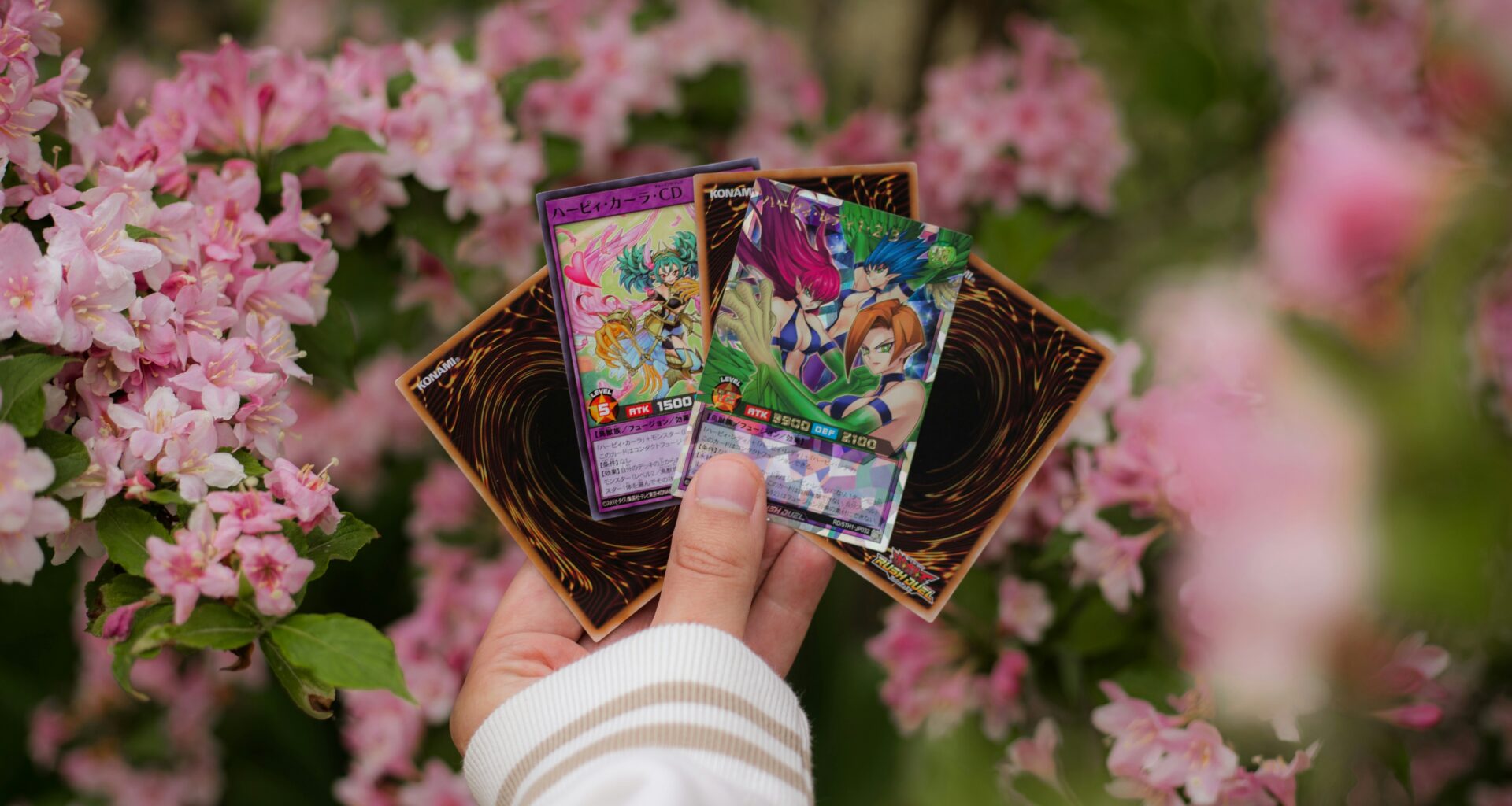
Modern cards are designed to be looked at closely. Foil layers, textured surfaces, alternate artwork, serial numbering, and full-art layouts have made cards more than printed game pieces.
A single card can combine illustration, typography, rarity symbols, finish effects, and franchise history. That gives collectors more ways to appreciate it.
This is why card photography has become common. Fans post binder pages, graded cards, themed displays, and opening pulls across social platforms. Lighting, background choice, sleeve color, and layout all change how a card is presented.
Protection has also become part of the visual experience. A collector might choose a clear card sleeve for archival display, a matte sleeve for play, or a colored sleeve to match a deck theme. The sleeve is practical, but it also affects presentation.
Fans Build Collections Around Themes
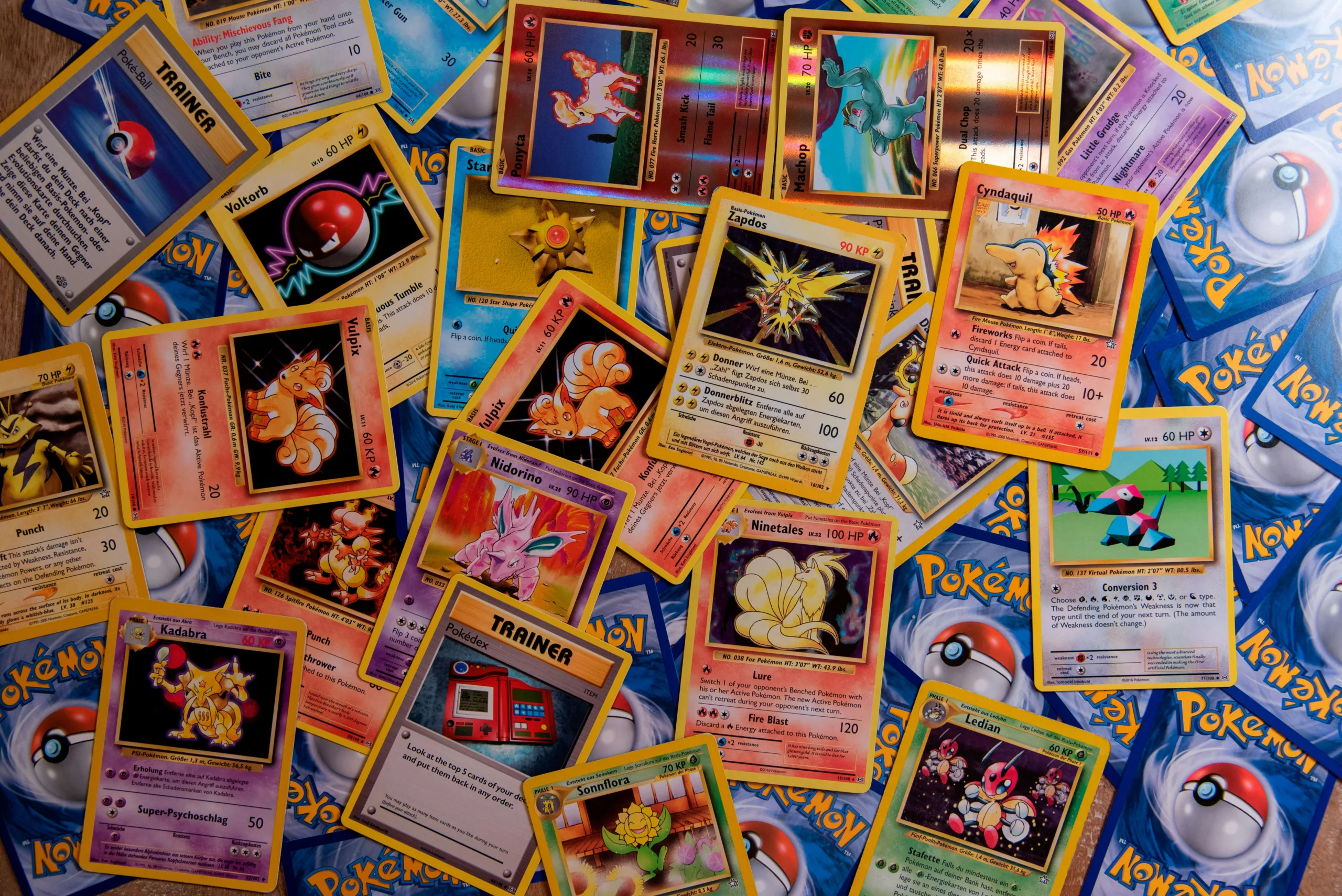
Older collections were often built by set number. Today, many fans collect by theme. This gives the hobby a more personal structure.
A collector might focus on one character, one artist, one game mechanic, one film era, one sports team, or one visual style. The goal is not always completion. Sometimes the goal is a collection that feels coherent.
Common collection themes include:
- Favorite characters or creatures
- Specific illustrators or card artists
- Limited print runs or promo cards
- Movie, anime, or game franchises
- Matching color palettes
- Cards used in a personal deck or strategy
This turns collecting into curation. Fans make choices based on taste, memory, and design logic. Two collectors can own the same set but display it in completely different ways.
Storage Became Part of the Hobby
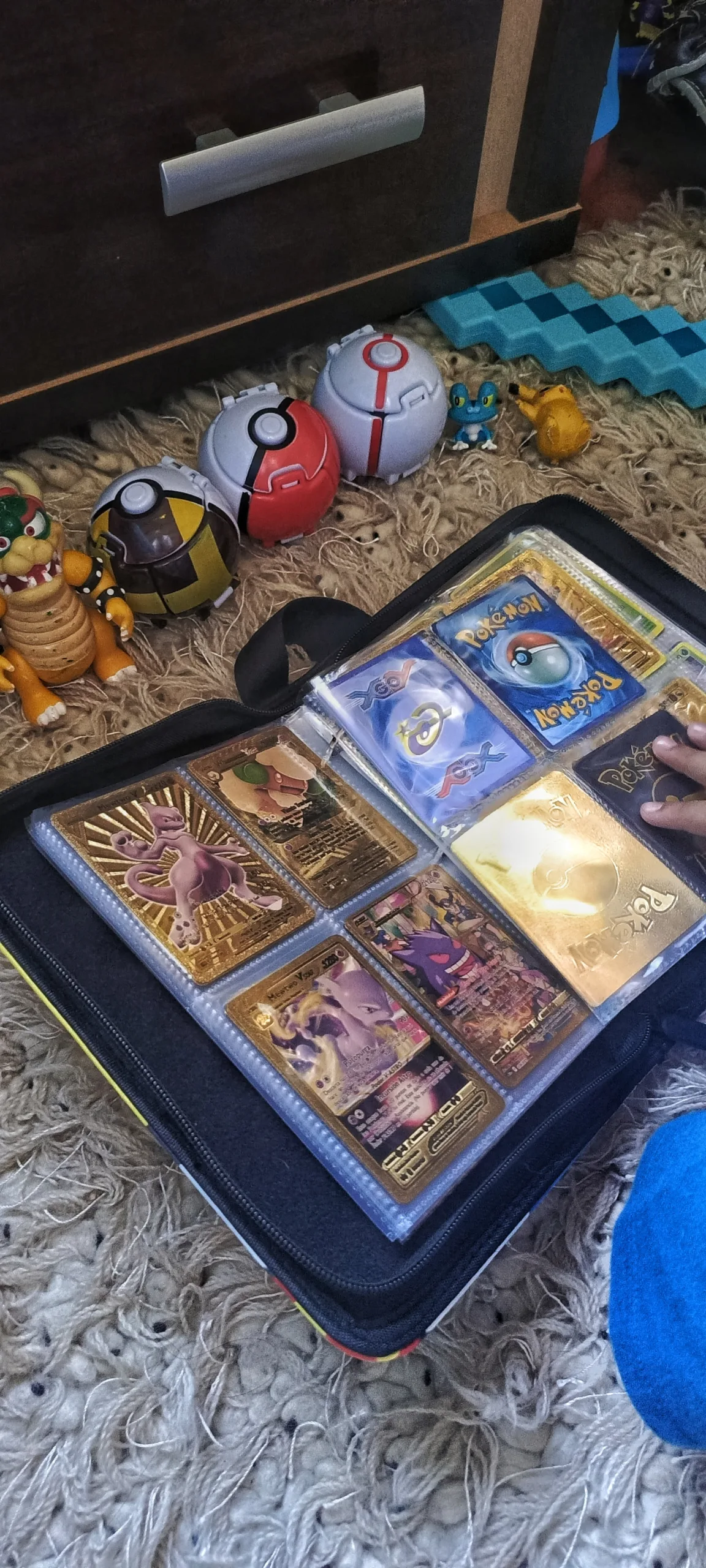
Card storage used to be mainly functional. Boxes and binders kept cards in one place. Now storage is part of the collecting style.
Collectors choose binders based on page type, zipper quality, capacity, and card orientation. Side-loading pages help reduce accidental sliding. Acid-free materials protect long-term condition. Rigid cases prevent bending. Graded slabs create a uniform archive.
Storage decisions also affect access. A binder is good for browsing. A display case is good for viewing. A deck box is good for play. A sealed archive box is better for long-term preservation.
The creative part comes from matching storage to purpose. A fan may keep playable cards in deck boxes, display cards in magnetic holders, and full sets in themed binders.
Deck Building Adds Technical Creativity
Trading card games made collecting interactive. Cards are not only owned. They are used to build systems.
Deck building combines probability, rules knowledge, resource curves, synergy, and counterplay. It is a technical form of creativity. A player designs a small engine from individual cards, then tests it against real opponents.
The process is similar to editing. Weak cards are removed. Strong combinations are refined. Sideboards or alternate options are added for specific matchups.
Creative deck builders often think about:
- Card draw and resource balance
- Win conditions
- Defensive options
- Combo reliability
- Matchup coverage
- Turn-by-turn tempo
This is why many players collect beyond rarity. A low-value common card can become important if it improves a deck’s consistency.
Display Culture Changed Collector Habits
Cards are now part of room design, gaming setups, streaming backgrounds, and shelf displays. Collectors use stands, frames, wall mounts, LED lighting, and themed cases.
This display culture changed how people buy and organize cards. Visual impact matters. A card with strong artwork may be desirable even if it is not tournament relevant.
Franchise cards benefit from this trend. Star Wars, Pokémon, Marvel, football, anime, and gaming cards all work as small pieces of fan art. They are compact, collectible, and easy to rearrange.
The creative challenge is balance. Too much display can expose cards to light, dust, and temperature changes. Serious collectors often rotate displays and keep valuable cards away from direct sunlight.
Online Communities Turn Collecting Into Collaboration
The internet made collecting more social. Fans no longer need a local shop to find people with the same interest.
Forums, Discord servers, Reddit communities, TikTok, Instagram, and YouTube have changed how collectors learn. They compare pulls, discuss grading, spot fakes, share storage methods, and trade across regions.
This has also raised standards. New collectors quickly learn about centering, surface wear, print lines, corner whitening, humidity control, and authentication. Technical knowledge spreads faster than before.
Online communities also encourage creativity. Collectors create themed posts, custom binder layouts, collection checklists, trade videos, and grading submission reveals.
Customization Expanded the Hobby
Card collecting now overlaps with crafts, design, cosplay, and fan culture. Some collectors create custom dividers, labels, binder covers, playmats, storage boxes, and display backdrops.
This does not change the original card. It changes the world around it. A collection becomes more personal when the storage, layout, and accessories match the fan’s taste.
Collectors who attend events or trading nights often customize the wider experience too. Deck bags, jackets, lanyards, and cases may include pins, stickers, or custom patches that show a favorite team, game, character, or collecting group.
That is where the hobby has grown. It is no longer only about ownership. It is about presentation, strategy, preservation, and identity.
Card collecting became creative because fans made it personal. The cards are still the center. But the way people protect, organize, display, and share them has become part of the art.