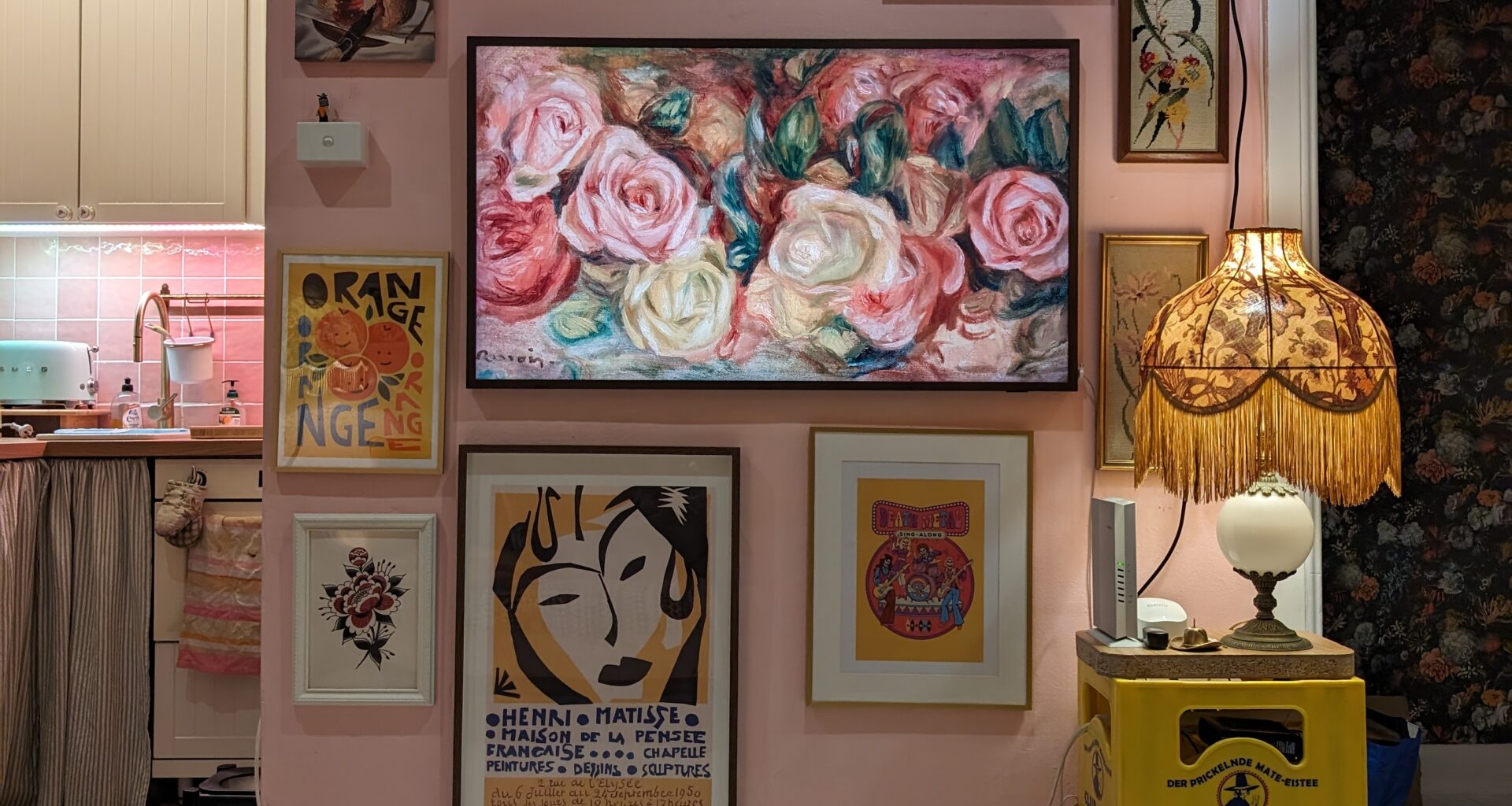
Personalised decor works when it feels intentional. It should not look like a random mix of sentimental items, prints, and furniture. The best rooms connect personal details with scale, texture, lighting, and layout.
That matters because interiors are becoming more individual. Grand View Research valued the global home decor market at USD 960.14 billion in 2024 and projected it to reach USD 1,622.90 billion by 2030. The report links growth to changing lifestyle preferences and demand for home improvement products.
A stylish home does not need to look expensive. It needs to look specific. Personal touches help a room feel designed, not copied.
Start With a Clear Visual Direction
Personalisation becomes messy when every item competes for attention. Start with a visual direction before buying or rearranging anything.
Choose a base style first. This might be warm minimalism, vintage modern, cottage-inspired, industrial, Japandi, coastal, or eclectic. Then define a tighter palette.
A strong room usually has:
- One main colour family
- One or two accent colours
- A repeated material, such as oak, brass, linen, or ceramic
- A balance of plain surfaces and detailed pieces
- One clear focal point
This structure gives personal items a place to sit. It also stops the room from feeling cluttered.
Use Personal Photos With Better Composition
Personal photos can look stylish when they are edited like a collection. The mistake is using too many mismatched frames, sizes, and finishes.
For walls, choose a consistent frame style. Black frames feel graphic. Oak frames feel warmer. Thin metal frames suit modern rooms. Wide mounts make small photos look more considered.
Photo books also work well in living rooms, bedrooms, and reading corners. They keep family images accessible without covering every wall. Well-designed custom photo books can sit on a coffee table like visual archives, especially when the cover, paper finish, and image sequence match the room.
Think about rhythm. A mix of close-up portraits, travel images, interiors, landscapes, and small details creates a better flow than one type of image repeated.
Design Around One Meaningful Object
A personal object can guide a whole room. This might be a painting, vintage chair, handmade bowl, inherited mirror, concert poster, travel textile, or sculptural lamp.
Use that object as the design anchor. Pull colours, shapes, or materials from it into the wider room.
For example, a framed coastal photograph might influence blue-grey cushions, pale wood furniture, and textured linen curtains. A ceramic vase might lead to rounded lamps, matte finishes, and warm neutral walls.
This approach feels personal but still controlled. The room has a story without becoming themed.
Add Texture Before Adding More Decor
Many rooms feel unfinished because they are flat, not because they lack accessories. Texture adds depth without visual noise.
Use contrast. Smooth walls need woven textiles. Glossy surfaces need matte pieces. Straight furniture lines need softer fabrics or rounded shapes.
Good texture layers include boucle, linen, wool, rattan, aged wood, clay, stone, glass, and brushed metal. Each material catches light differently.
A simple bedroom can feel more personal with a linen headboard, layered bedding, ceramic lamps, and a handwoven rug. The room may still use neutral colours, but the surfaces make it feel warmer. Built-in storage or shelving made from custom cut wood can further enhance the space while keeping it functional and visually cohesive.
Make Storage Part of the Design
Personalised homes often fail because objects have nowhere to go. Open shelves fill up. Tables become storage zones. Sentimental items get mixed with daily clutter.
Better storage makes personal decor easier to control.
Use closed storage for visual noise. Use open storage for items worth displaying. This creates contrast between function and personality.
Consider:
- Low cabinets for games, cables, and documents
- Baskets for blankets or children’s items
- Floating shelves for ceramics and books
- Trays for candles, remotes, and small objects
- Display boxes for delicate keepsakes
Storage should support how the room is used. A stylish home still needs to work every day.
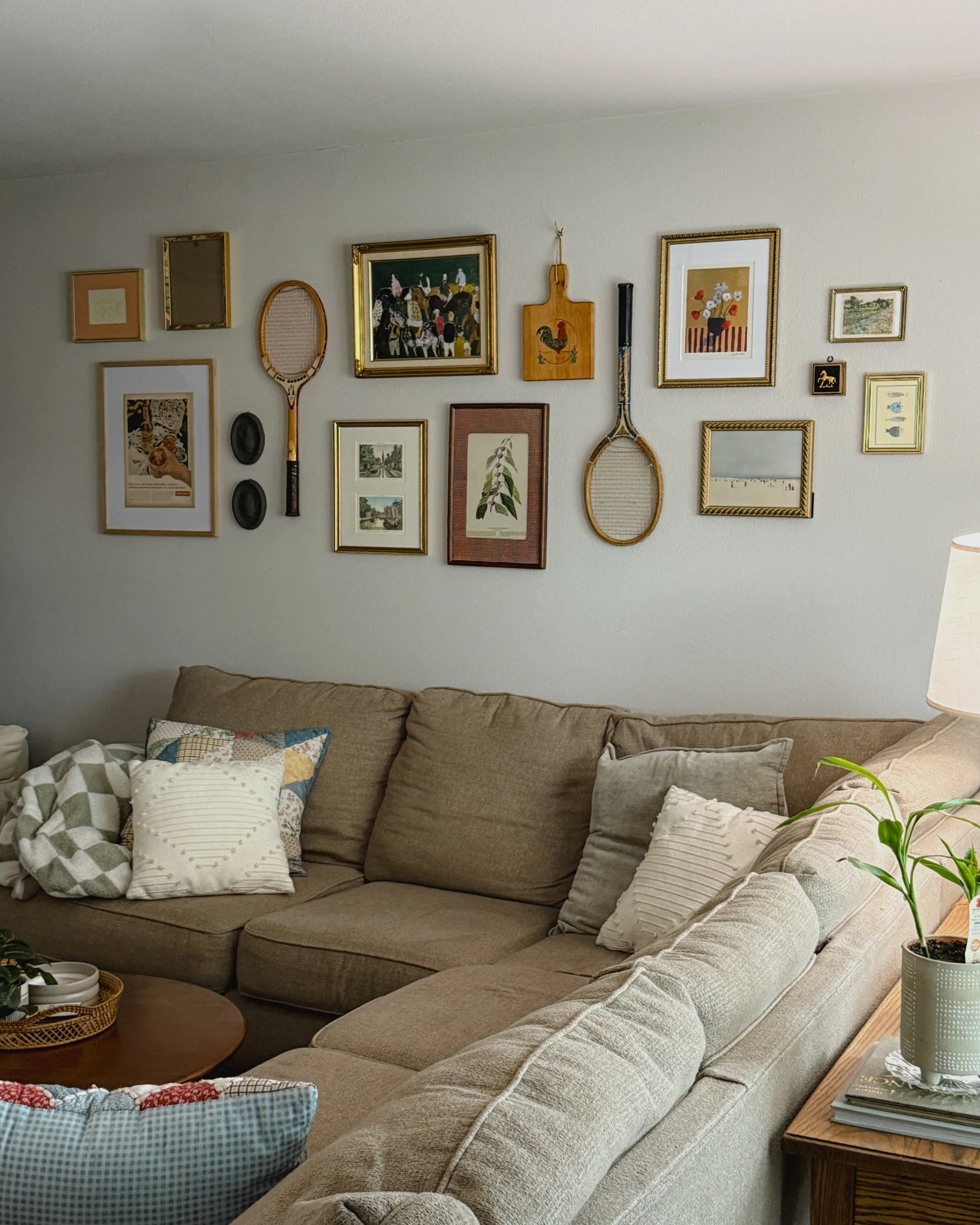
Create a Gallery Wall With Rules
Gallery walls are one of the easiest ways to personalise a home. They also go wrong quickly.
The key is consistency. You can mix art, photographs, postcards, prints, and small objects, but at least one design rule should hold everything together.
That rule might be frame colour, image tone, spacing, subject matter, or layout shape. Without a rule, the wall can feel accidental.
Plan the arrangement on the floor first. Keep spacing even. Align some edges. Use larger pieces to anchor the layout and smaller pieces to fill gaps.
A gallery wall should match the furniture below it. If it hangs above a sofa, console, or bed, the width should feel related to that piece.
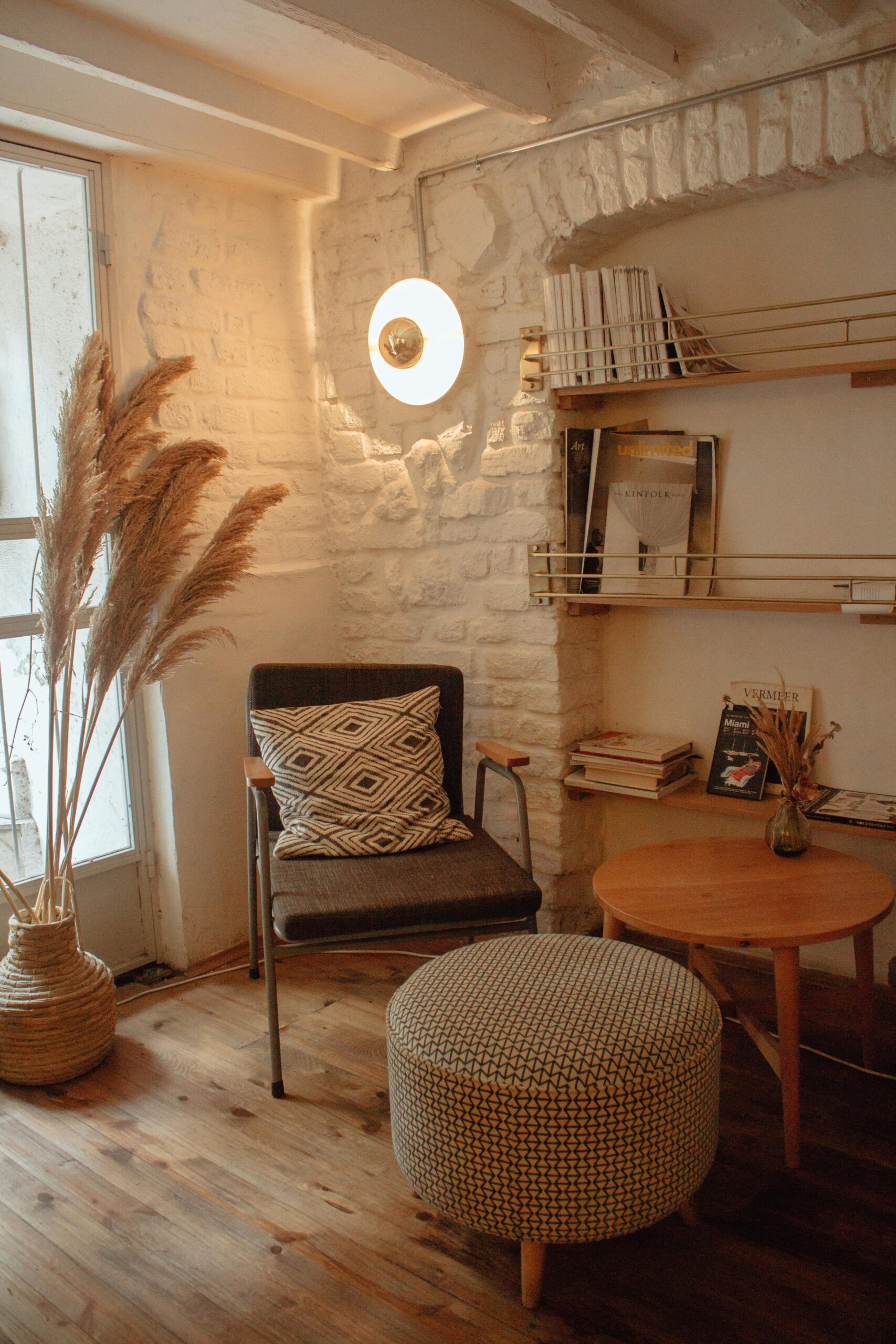
Use Lighting to Personalise Mood
Lighting changes how personal decor feels. A room with only ceiling lighting can look harsh, even with good furniture.
Layer lighting at different heights. Use floor lamps, table lamps, wall lights, picture lights, and candles. Each layer gives the room more control.
Warm bulbs create a softer feel in living spaces and bedrooms. Cooler bulbs may work better in kitchens, bathrooms, and work zones.
Accent lighting can highlight shelves, artwork, plants, or architectural details. It also helps personal pieces feel intentional. In smaller zones, pieces such as Japanese neon signs can add colour, atmosphere, and a clear focal point without changing the whole room.
Personalise Without Overcrowding
A stylish room needs editing. Not every meaningful object has to be visible at once.
Rotate decor seasonally or by mood. Keep some pieces stored and bring them out later. This keeps rooms fresh without constant shopping.
Leave negative space around important objects. A single sculpture on a sideboard can look stronger than five small items competing for attention.
Personalised decor works best when each piece has room to breathe.
Add Statement Details in Small Zones
Not every personal choice needs to dominate a room. Small zones are ideal for bolder ideas.
A hallway, reading nook, home bar, dressing area, or gaming corner can handle stronger colour and lighting. These areas let you show more personality without overwhelming the main living space.
Personalised decor is not about filling a home with custom items. It is about choosing details that fit the space and reflect the people who live there.
A stylish home feels edited, layered, and lived in. Personalisation gives it character. Good design gives it control.