Stress relief does not always need a quiet room, an app, or a strict routine. Outdoor movement can reduce tension while improving circulation, sleep quality, focus, and mood.
The benefit comes from combining physical activity with daylight, fresh air, sensory variety, and a change of environment. Even simple outdoor habits can help the nervous system shift away from constant alertness.
A 2025 PLOS One study found that people who spent 120 minutes or more per week in outdoor recreation reported better mental health and wellbeing than those who spent less time outdoors.

Start With Walking as a Baseline
Walking is one of the most useful outdoor wellness activities because it is low cost, low skill, and easy to scale. It supports cardiovascular health without placing heavy stress on joints.
For stress relief, pace matters less than consistency. A steady walk can help regulate breathing and reduce muscle tension. It also gives the brain a predictable rhythm.
Routes should be simple at first. A local park, riverside path, quiet street, or woodland trail can work. The goal is to reduce decision fatigue, not create another task.
For uneven ground, wet paths, or long routes, supportive footwear matters. Some people choose hiking shoes, trail trainers, or tactical boots when they need grip, ankle support, and durable soles for mixed terrain.
Use Nature Walks for Sensory Regulation
A nature walk is different from a fitness walk. The point is not speed. It is attention.
Natural environments provide visual depth, irregular patterns, sound variation, and softer light. These inputs can help the body settle after long periods of screens, traffic, or indoor noise.
Use a simple sensory structure:
- Notice five colours in the landscape
- Listen for three distinct sounds
- Feel changes in temperature or wind
- Observe your breathing without forcing it
- Walk without checking your phone
This type of walk helps shift attention away from repetitive thoughts. It also gives the mind a task that is calming rather than demanding.

Try Outdoor Mobility Work
Stress often appears in the body before it feels emotional. Tight shoulders, jaw tension, shallow breathing, and stiff hips are common signs.
Outdoor mobility work helps release tension while keeping the routine informal. A park bench, flat patch of grass, or garden space is enough.
Useful movements include neck rotations, shoulder circles, hip openers, hamstring stretches, ankle mobility, and spinal twists. Move slowly. Avoid forcing range.
Breathing should stay controlled. A longer exhale can help reduce physical tension. If the movement feels sharp or unstable, stop and adjust.
Outdoor mobility works well during lunch breaks or after work because it separates the body from the work environment.
Add Light Strength Training Outside
Strength training can support stress relief because it gives the body a controlled outlet for tension. It also builds confidence and physical resilience.
Outdoor strength training does not need equipment. Bodyweight movements are enough for most beginners.
Good options include:
- Squats
- Step-ups on a stable bench
- Incline push-ups
- Walking lunges
- Glute bridges
- Planks
- Farmer carries with bags or water bottles
Keep the session short. Ten to twenty minutes is enough. The aim is not exhaustion. It is controlled effort.
Use stable surfaces. Avoid wet benches, loose gravel, or crowded paths. Good form matters more than intensity.
Use Gardening as Grounded Movement
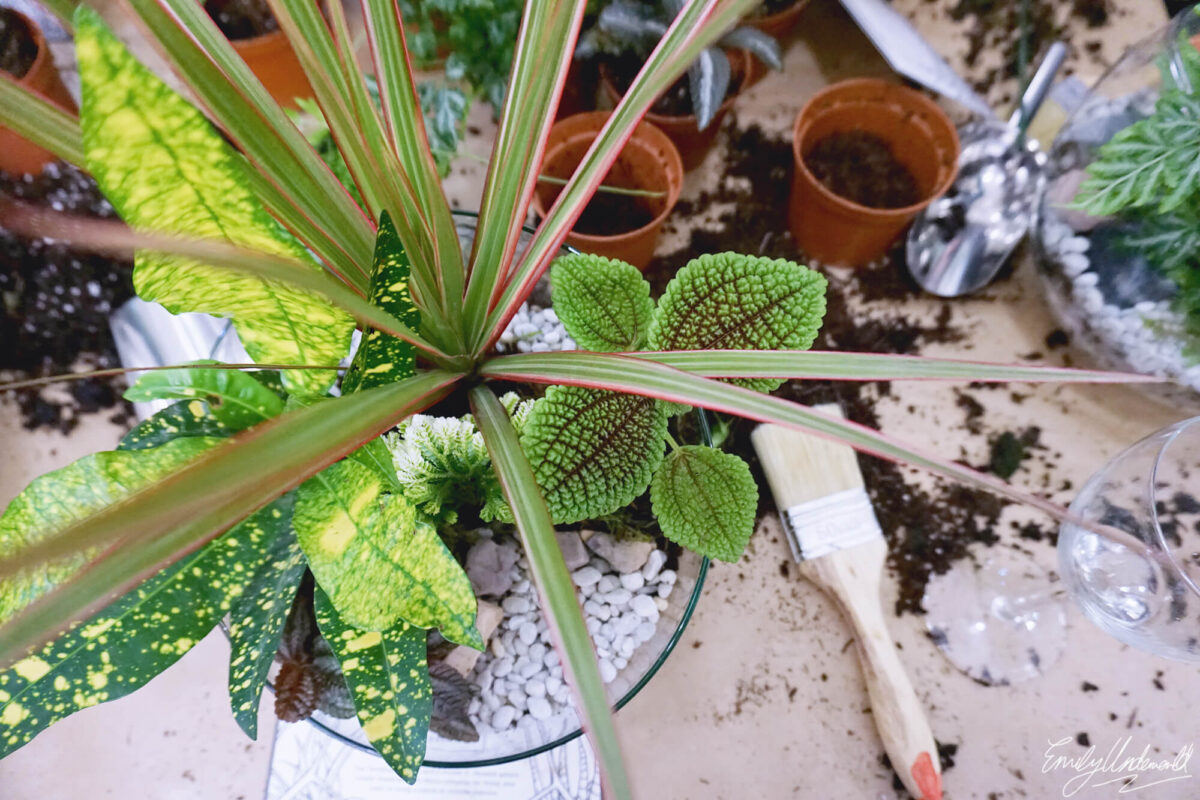
Gardening is physical, sensory, and practical. It involves squatting, lifting, carrying, reaching, digging, and fine motor work.
It can reduce stress because it creates a direct feedback loop. You do something small, and the space changes. That visible progress can be calming.
Gardening also slows attention. Soil texture, plant growth, scent, and seasonal change all help pull focus away from screens and mental overload.
Start with simple tasks. Weed one area. Water plants. Repot herbs. Sweep leaves. Plant bulbs. Small jobs are easier to complete and less likely to feel like another obligation.
Choose Social Sports With Low Pressure
Some people relax better with others. Low-pressure outdoor sports can combine movement, laughter, coordination, and social connection.
Pick activities that do not require high fitness or serious competition. Pickleball, casual tennis, rounders, frisbee, walking football, and park yoga can all work.
The stress-relief value comes from light play. You respond to movement in real time, which pulls attention away from work stress and repetitive thinking.
For group activities, comfort matters. Breathable clothing, flexible layers, and sport-specific tops such as a pickleball jersey can help players move freely without overthinking what they are wearing.
Practice Outdoor Breathing Sessions
Breathing exercises are often easier outside because the setting supports the habit. A balcony, garden, quiet bench, or open field can work.
Keep the method simple. Inhale through the nose for four seconds. Exhale slowly for six seconds. Repeat for five minutes.
Longer exhales can help activate the parasympathetic nervous system. This supports recovery after stress, exercise, or overstimulation.
Do not force deep breaths. Forced breathing can feel uncomfortable for some people. Keep it light and steady.
Build a Routine That Can Survive Real Life
Outdoor wellness works best when it is realistic. A complicated plan will fail during busy weeks.
Use minimum targets. Ten minutes outside after lunch. One longer walk at the weekend. Five minutes of stretching in the garden. A weekly social game.
Track how you feel after each activity. Energy, sleep, mood, and tension are better markers than calories or distance.
Stress relief is not about doing the hardest activity. It is about giving the body regular chances to move, breathe, reset, and reconnect with the outside world.