A travel journal usually starts with good intentions and ends on day three, somewhere between a missed train and a very late dinner. The ones that survive are rarely the neatest. They are stuffed with ticket stubs, bus timetables, pressed leaves and a half-finished sketch of a doorway. If you are already thinking about next year’s trip, now is a good moment to plan the notebook as well, because the black friday holiday deals are rolling out, with Black Friday itself falling on 27 November. Exoticca, an ATOL-protected operator that sells from airports across the UK, is one of the companies releasing discounted departures in limited batches, which leaves you time to choose a destination and a page layout before you commit to either.
What follows is a practical way to keep a journal you will want to reread, plus three places that fill pages quickly: Kyoto for paper and stamps, Sighișoara for stories, and Guanajuato for colour.
Start With a Notebook That Can Take a Beating
Pick a notebook for the trip you will really have, not the one you imagine. A hardback A5 with thick paper copes with glue, watercolour and the bottom of a rucksack. Thinner softcovers are easier to carry on a long walking day, so you will use them more. Plenty of people pack both: a sturdy base book for pasting things in, and a pocket notebook for notes written standing up.
Pens matter more than you would expect. Bring one waterproof fineliner, because a coffee spill or a rain shower ruins everything else, and add a pencil for sketches you may want to shade later. A small glue stick, a roll of washi tape and folding scissors weigh almost nothing and let you stick a tram ticket onto a page the same evening. Set a low bar of three lines a day: where you were, what you ate, one thing somebody said. Anything beyond that is a bonus. Leave the first page blank for an index and number the pages as you go, since a busy week can leave you with forty pages and no way to find the museum ticket you wanted.
Kyoto and the Pleasure of Collecting Paper
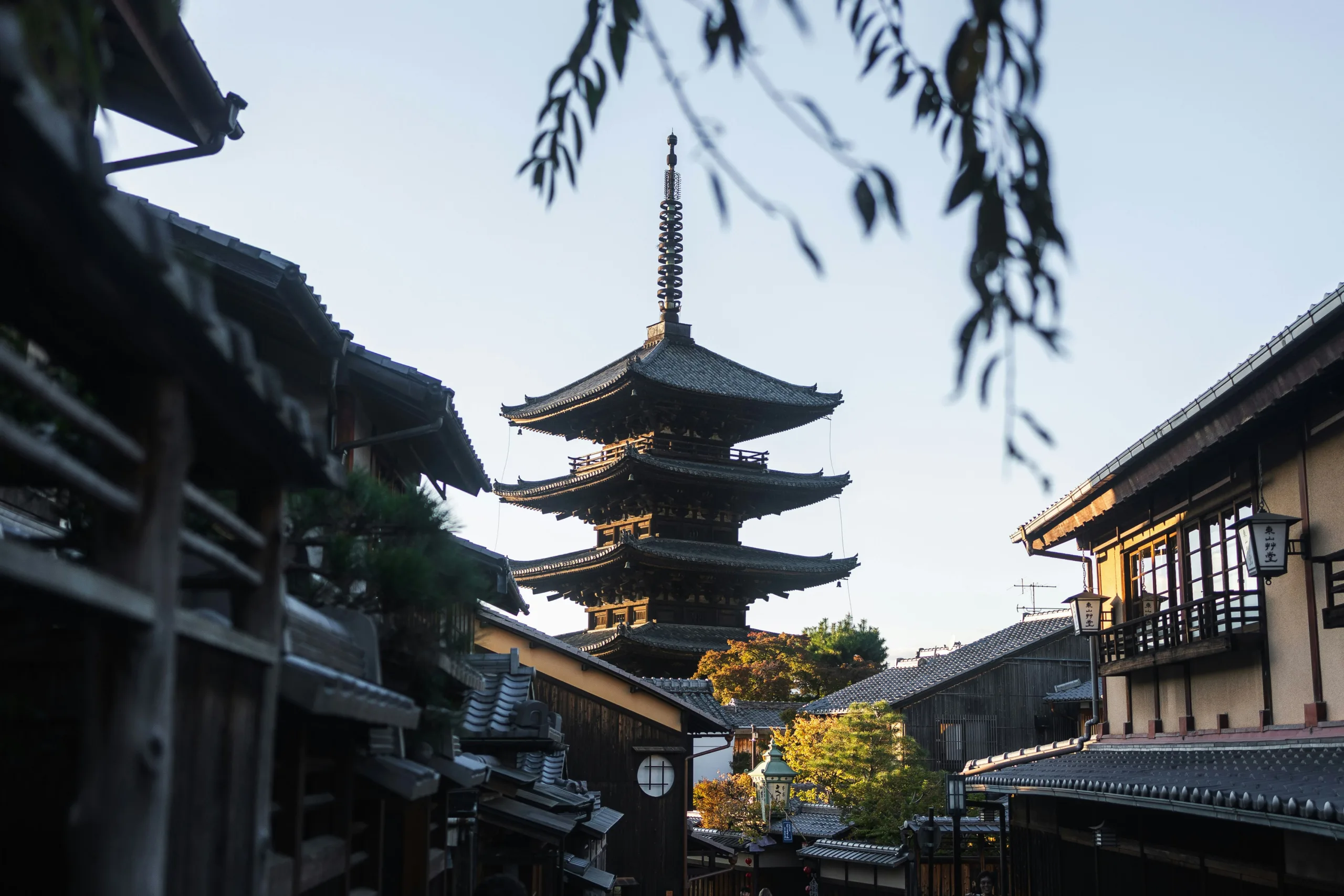
Kyoto is almost designed for people who love paper. Many temples and shrines sell goshuin, hand-inked stamps and calligraphy that visitors collect in a dedicated book, usually for a few hundred yen each. The staff write the date by hand, which turns every entry into a small piece of art and a record of where you stood that day. Buy a goshuincho, the folded stamp book, at one of the first temples you visit and keep it apart from your journal so the ink can dry without smudging.
Stationery shops fill the covered arcades and side streets. Look for washi sheets, letterpress cards and tiny notebooks, all cheap and easy to cut into page-sized pieces. Even the ticket to a garden or a tea house often has a design worth keeping. Evenings suit writing, because the narrow lanes around Higashiyama thin out after dark and the pagoda makes an easy sketch from a bench. Add a line about incense or the sound of wooden sandals on stone and you will remember the day far better than a photo alone would remind you.
Sighișoara and the Stories You Are Told
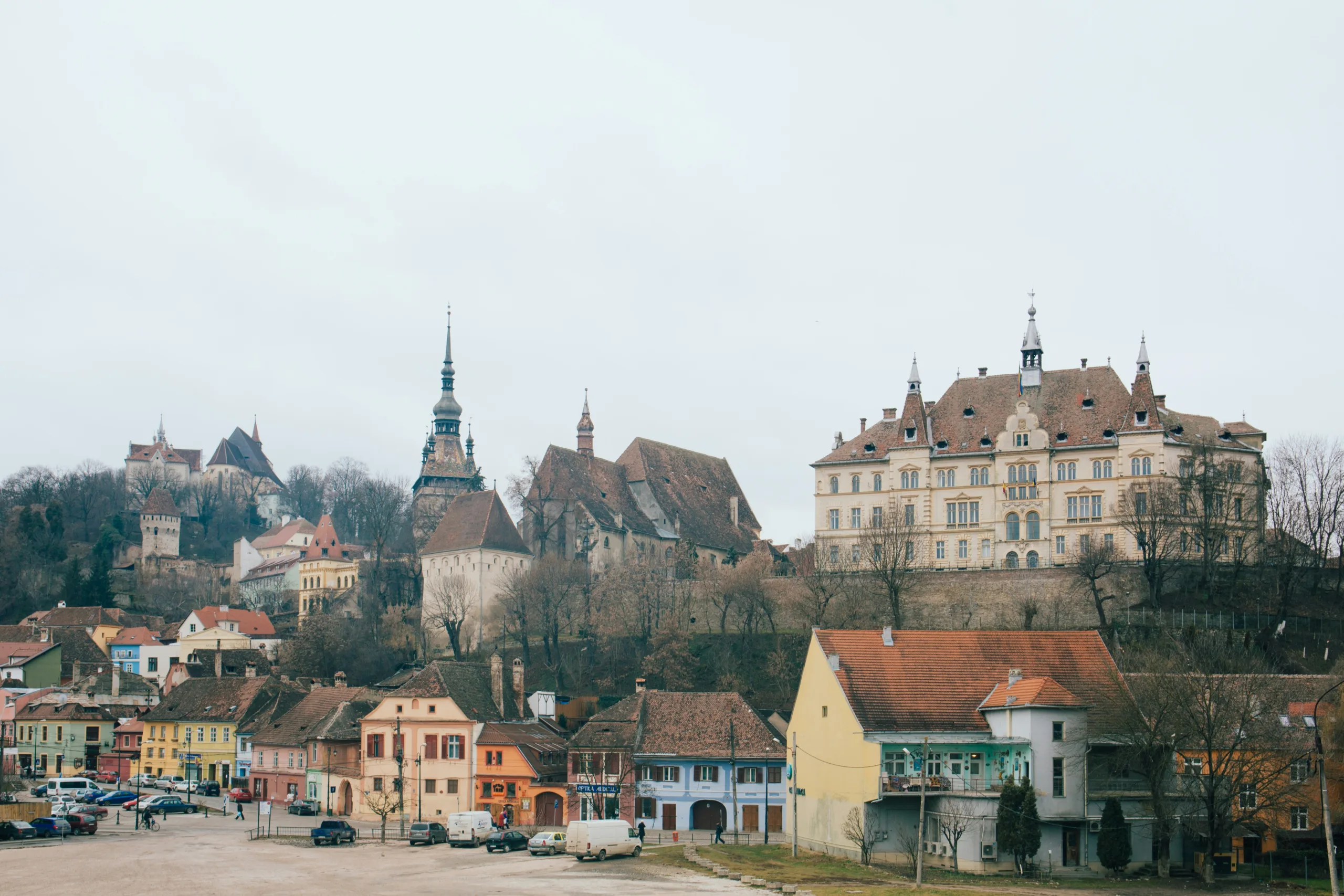
Sighișoara, in Transylvania, is one of the best-preserved medieval citadels in Europe, and it rewards slow note-taking. The old town sits on a hill, and a covered wooden staircase of 175 steps climbs towards the school and the church at the top. Count the steps, write the number down, and your first entry is done. The Clock Tower, which now holds a history museum, looks out over red rooftops and the wooded hills beyond.
The town is also traditionally named as the birthplace of Vlad the Impaler, the historical figure who partly inspired Bram Stoker’s Dracula, and guides tell the stories with relish. Write them down as you hear them, in the guide’s own words where you can. Folklore is easy to forget and hard to look up later, because every teller changes it a little. Local cafes are good places to spend an hour copying a menu or sketching a pastel house front. Bring a darker pen for the gothic details, since the church and the tower look best in heavy ink. If rain keeps you indoors, ask the staff about the town’s old legends. Most are happy to share one.
Guanajuato: Colour on a Ten-Minute Budget
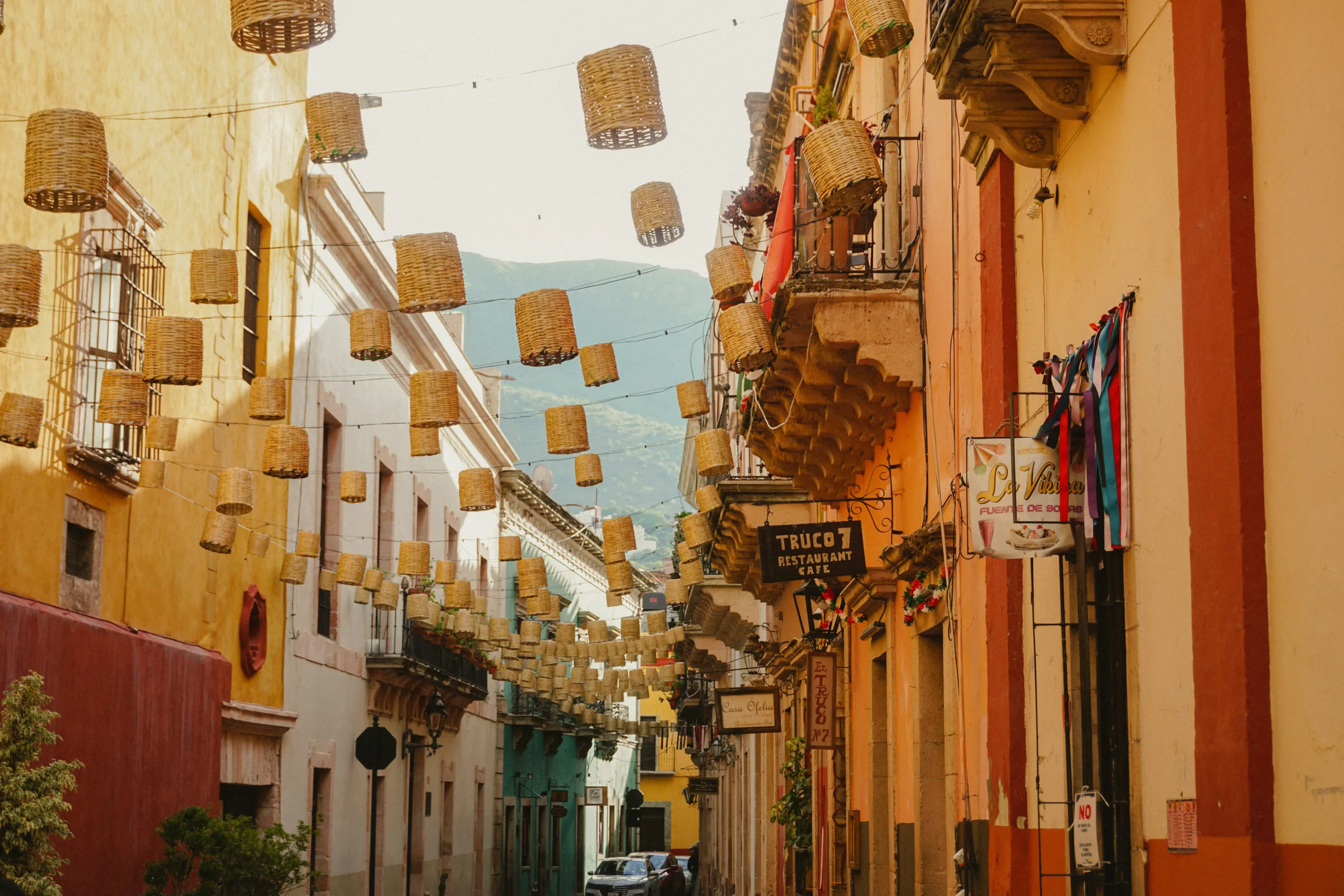
Guanajuato in central Mexico packs colour into very little space. The historic centre is a UNESCO World Heritage site, built in a steep valley where houses climb the hillsides in pink, yellow, blue and ochre. Narrow alleys, known as callejones, wind between them, and the tightest are barely wide enough for two people. This is a city for quick sketches. Ten minutes is plenty if you work with a limited palette: three pencils or a small watercolour set, and a decision to draw only the outline of a doorway or the slope of a street.
Hanging baskets, balconies and stone stairs repeat everywhere, which makes the repetition itself a good subject. Some of the underground roads that carry traffic beneath the centre follow old mining and river tunnels, and that deserves a line in your notes too. Markets are the other place to fill pages. Chilli, sweets, paper banners and fruit stalls all supply colour you can match with a pencil and label by name, which helps if you want to paint the page later from memory. Keep a spare page for a handwritten recipe or a shopkeeper’s sketch map. Locals often enjoy drawing one.
Turning Scribbles Into a Book You Will Reread
The real work starts at home. Within a week of landing, sit down with the journal and a mug of tea and fill the gaps while the details are fresh. Add captions to the sketches, write the missing dates, and copy any notes from your phone onto the pages where they belong. Print two or three photos small and stick them in like postcards rather than turning the journal into an album. A contents page built from the numbered pages you started with makes the book far easier to flip through.
Give it a home on a shelf, because a journal kept in a drawer rarely gets opened. Many travellers add a one-page summary at the front: dates, route, best meal, worst weather, one thing they would do differently. It takes ten minutes and it is the page you will read first in five years. If you plan to book a trip this winter, start a blank notebook now and keep a few pages for planning. Write down the dates, the budget and the questions you want answered before departure. By the time you fly, the first entry is already done.