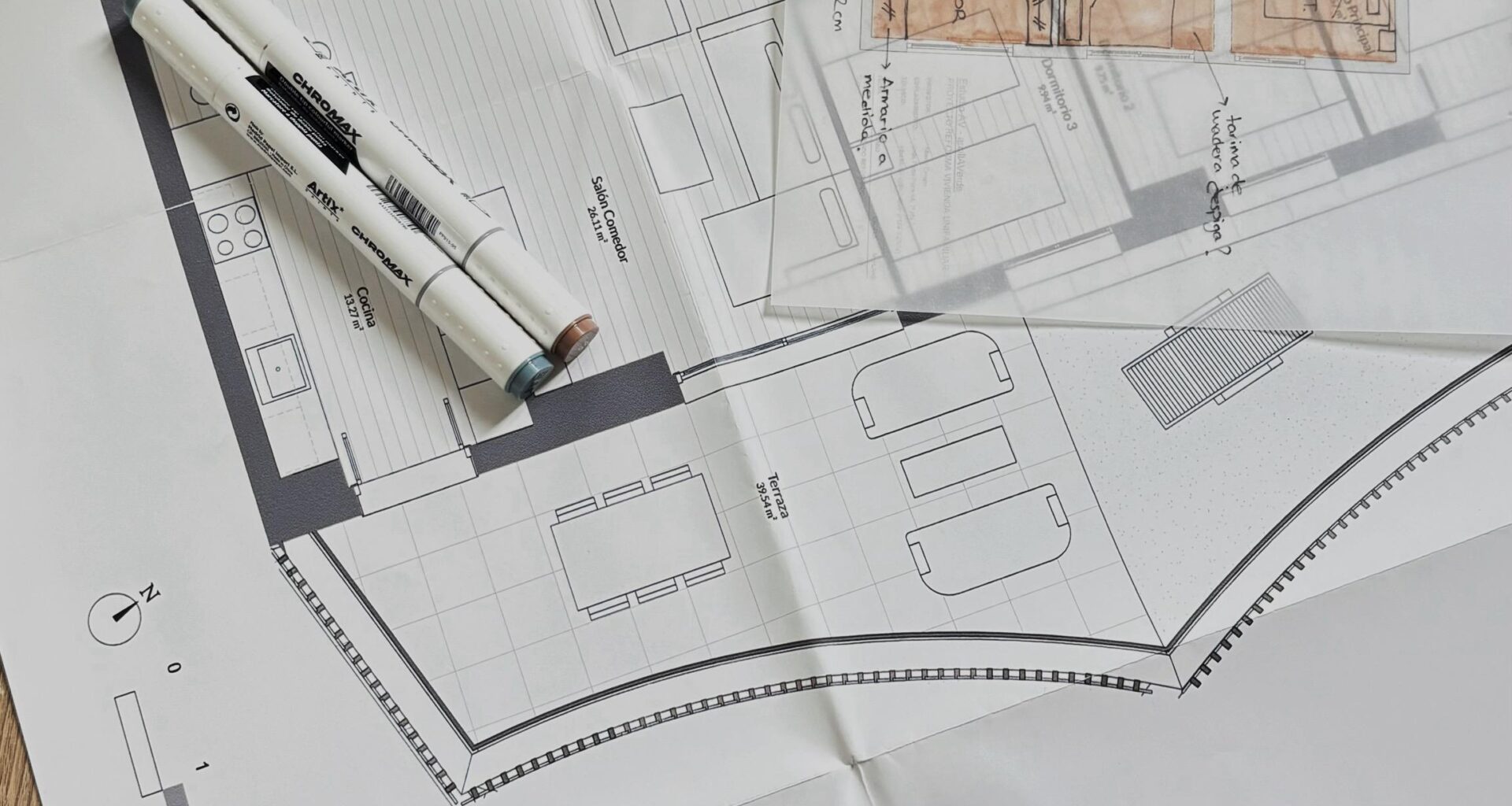
Renovation projects rarely fail because of ambition. They fail because disorder spreads faster than decisions. Waste accumulates. Space tightens. Movement slows. What begins as progress turns into friction that drains time and attention.
Most households underestimate how quickly disruption escalates once materials start coming out. Old units, broken tiles, packaging, timber, dust. Each element competes for space. Without early control, the site dictates the pace of the work rather than the plan.
Clean renovations do not happen by accident. They result from treating waste and movement as operational constraints, not afterthoughts.
Why Renovation Waste Disrupts Progress
Domestic renovations compress activity into small spaces. Work zones overlap with daily living areas. Storage disappears first. Access narrows. These conditions sit behind many renovation delays and cost overruns, where once debris blocks routes, productivity drops fast.
Household waste systems cannot absorb renovation volume. Weekly collections assume routine disposal, not structural change. As waste builds, decisions stall. Materials linger because removing them feels harder than stepping around them. That delay compounds quickly.
Mess does not only slow work. It increases risk. Trips, damaged finishes, lost tools, and miscommunication follow cluttered environments. Control slips long before the project looks unfinished.
Space functions as a silent constraint during renovations. When materials occupy walkways, access narrows and sequencing breaks down. Trades wait on each other. Small delays ripple forward. Maintaining clear movement paths keeps tasks aligned and prevents minor hold-ups from turning into full-day losses.
Waste Removal as an Operational Decision
Effective renovation planning aligns waste capacity with project scale. Small upgrades produce manageable volumes. Structural changes do not. When debris exceeds household limits, improvisation begins.
Larger clear-outs benefit from matching disposal methods to volume from the outset. In Epsom, projects that plan disposal logistics early avoid repeated handling, overflow, and stalled work phases. With skip hire Epsom, materials leave the site through a single controlled flow, rather than fragmenting across temporary piles that interrupt progress.
This approach reframes disposal. Waste leaves once. Sorting happens deliberately. Space remains usable throughout the build.
Containing Dust and Movement
Dust travels faster than debris. Once airborne, it spreads beyond work zones and settles into finished areas. Stopping it later costs more time than preventing it early.
Clear boundaries matter. Defined work zones reduce contamination and confusion. Physical separation protects living areas and preserves focus inside the renovation space. Consistent access routes limit tracking and rework.
Equipment Choices Shape Cleanliness
Tool selection influences mess as much as technique. Cutting, sanding, and demolition release fine particles that linger and travel beyond the work zone. Effective construction dust control depends on capturing debris at source, not chasing it after surfaces and adjacent rooms are already affected.
Professional-grade extraction improves visibility and protects completed surfaces. Poor equipment pushes dust into adjoining spaces and creates secondary tasks that stall progress.
Managing Waste Without Stalling the Build
Waste handling fails when sorting becomes a separate project. During renovations, materials must exit as they appear, not collect while decisions stall.
Some items require early separation, and clear construction waste classification reduces later disruption by preventing restricted materials from entering general waste streams and forcing rehandling at critical stages.
Maximising Space Under Pressure
Skip capacity fills quickly when bulky items enter the whole. Breaking down units and cutting materials before disposal extends usable space and reduces handling. Dense loading limits the need for extra collections.
Keeping Order Through Routine
Disorder accumulates gradually. Short daily resets prevent that slide. Clearing debris and restoring access routes take minutes but preserve control.
Weekly reviews catch drift before it hardens into disruption, a pattern well documented in construction site housekeeping routines where consistency matters more than scale.
Finishing Without Residual Disruption
Post-renovation disorder often lingers because clean-up feels secondary once work ends. That mindset extends disruption beyond completion.
Final cleaning restores function. High surfaces first. Ventilation points next. Floors last. This sequence closes the project cleanly.
Renovations run smoothly when space stays usable and waste stays controlled. Planning disposal as an operational element preserves momentum and limits friction. Clean sites finish faster because movement stays clear and decisions stay simple.