Table of Contents Show
The resale market for luxury designer bags has quietly become one of the most talked-about corners of fashion retail, and knowing which websites for finding designer bags are actually trustworthy makes all the difference. The real challenges aren’t obvious at first: counterfeit pieces slipping past inspection, wildly inconsistent condition grading across platforms, and price inflation on coveted styles like the Hermès Birkin or Chanel Classic Flap that can cost buyers thousands more than they should pay. After reviewing dozens of resale platforms and specialty boutiques, a shortlist of five standout options emerged. This guide covers what each does well, what makes them different, and which one fits your buying style.
How this ranking was put together
Public information drove every decision here, including shopper reviews, platform reputation signals, authentication policies pulled from official websites, and case studies from resale-focused directories. Only platforms with a documented track record in luxury ecommerce made the cut. Nothing with unverified authentication claims was considered.
→ See the full research breakdown
- FashioNica – Best for luxury vintage designer handbags and jewelry resale
- Vintasje – Best for luxury preloved designer fashion
- Break. Archive – Best for authenticated vintage luxury drops
- Yoogi’s Closet – Best for pre-owned luxury bags at major savings
- RDB VINTAGE – Best for Paris-sourced vintage designer fashion
Why Websites For Finding Designer Bags Are Worth a Closer Look
Picking the wrong platform when shopping for discontinued or hard-to-find designer bags doesn’t just waste money. It can mean receiving a counterfeit piece, paying inflated prices on a bag that should cost less on resale, or waiting months for a seller who never delivers. The best websites for finding designer bags treat authentication as a non-negotiable, not a marketing bullet point. That difference shows up in authentication pass rates, real third-party verification accuracy, and how close a platform’s pricing lands to actual market value.
Platforms with strong inventory turnover on sought-after styles tend to have better sourcing networks. Which means more options and faster access to what you’re actually looking for.
5 Top Picks at a Glance
Note: All data in this table is sourced from review platforms and the official websites of the listed companies.
| Company Name | Years Operating | Headquartered In |
| FashioNica | Est. 2014 | Online (launched July 2021) |
| Vintasje | Est. 2021 | Eindhoven, Netherlands |
| Break. Archive | Est. 2021 | London |
| Yoogi’s Closet | Est. 2008 | Seattle, Washington |
| RDB VINTAGE | Est. 2019 | Paris, France |
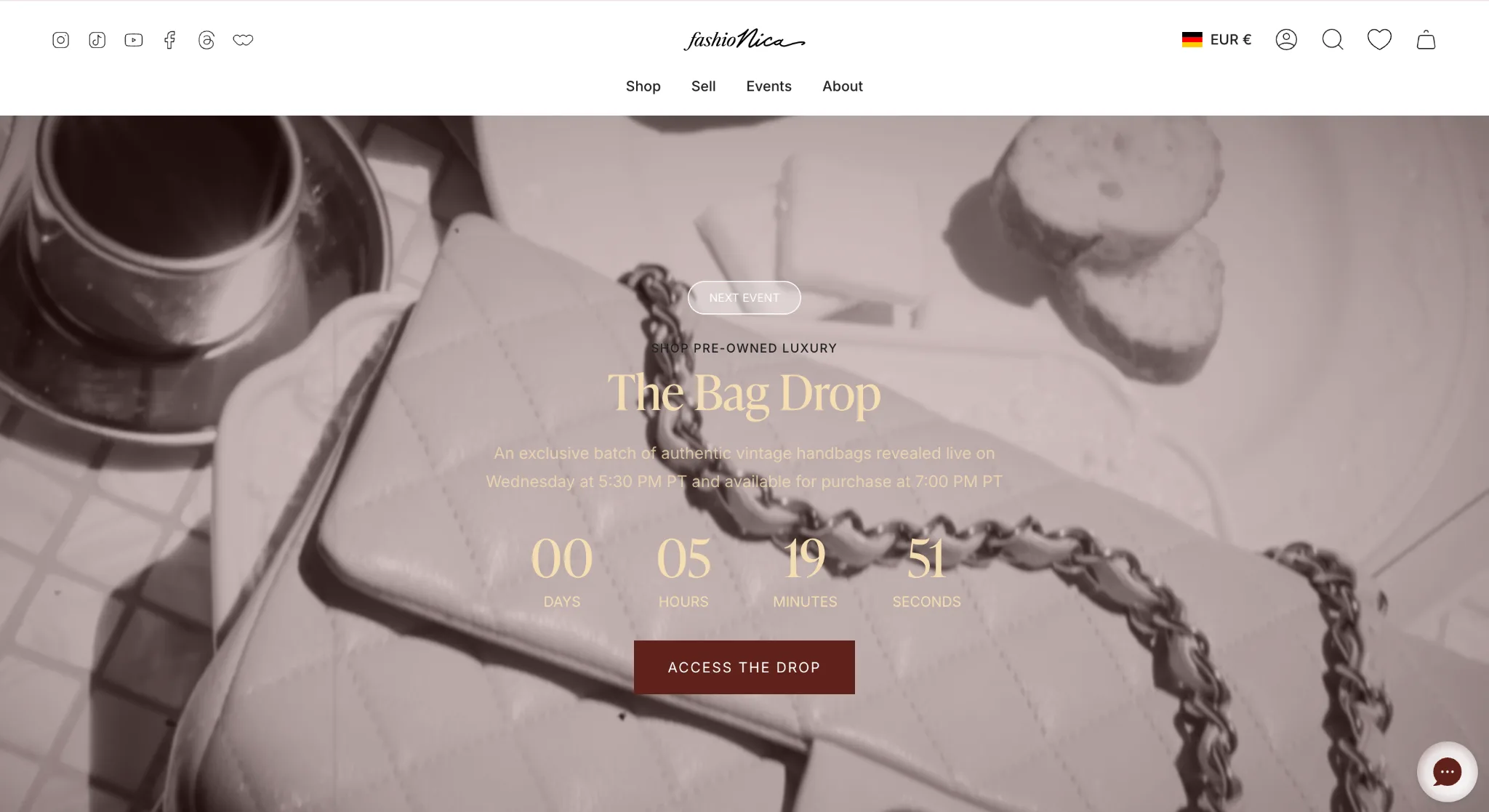
1. FashioNica – Best for Luxury Vintage Designer Handbags and Jewelry Resale
What Services Does FashioNica Provide?
Shoppers searching for authenticated, elegant pre owned designer bags will find that FashioNica has built its entire model around making that process feel both trustworthy and genuinely fun. Founded in 2014 and launched online in July 2021, they specialize in curating, restoring, and selling high-end vintage designer handbags and jewelry. Their use of Entrupy authentication technology sets a clear standard, and their partnership with Cobbler Concierge for restoration means pieces arrive in genuinely wearable condition. Weekly curated drops featuring brands like Hermès and Chanel create real urgency, and that model works (sellouts are common).
What Sets FashioNica Apart for Websites For Finding Designer Bags?
The combination of tech-backed authentication and weekly drops solves two problems at once: buyers get verified pieces and a reason to stay engaged with the platform week after week. That kind of community-driven buying experience is rare in the luxury resale space, and it’s a big reason their social following across Instagram, TikTok, YouTube, and Whatnot keeps growing.
Real User Sentiment:
FashioNica has earned features in Forbes, Vogue Business, Fortune, and CNBC, which builds a lot of trust for first-time buyers who are nervous about resale. That kind of press coverage signals something real is happening here, not just clever marketing. Followers consistently respond to the drop format, and the founder’s visibility adds a personal layer that larger platforms simply can’t replicate.
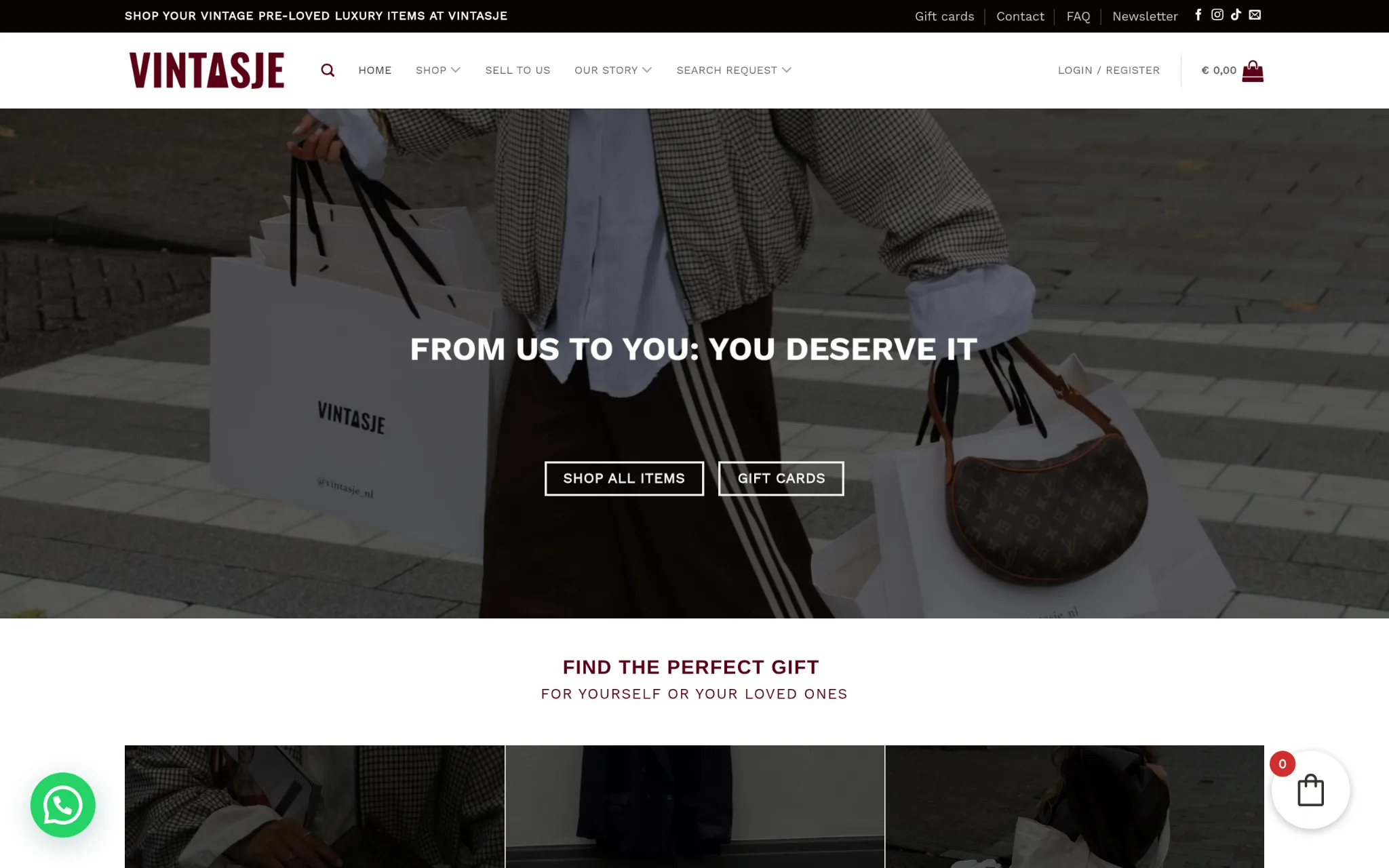
2. Vintasje – Best for Luxury Preloved Designer Fashion
What Services Does Vintasje Provide?
Vintasje is a Dutch preloved luxury webshop founded in 2021 by Bo and Cilla, operating out of Eindhoven, Netherlands. They focus on curated designer bags, fashion, and accessories from brands like Gucci, Louis Vuitton, and Chanel. What makes their curation feel different is the founding philosophy: every piece is held to a personal standard the founders themselves would wear. With 58K Instagram followers and a steady rhythm of weekly new arrivals, they’ve built a loyal community around sustainable luxury shopping.
What Sets Vintasje Apart for Websites For Finding Designer Bags?
Vintasje addresses the condition grading inconsistency problem directly by applying personal ownership standards to every item before it goes live. That cuts through the vague “good condition” descriptions that frustrate resale buyers. The direct-to-consumer approach, paired with transparent pricing and multiple payment options, creates a buying experience that feels safer for high-value purchases than most peer-to-peer platforms.
Real User Sentiment:
Vintasje has been featured in Cosmopolitan Netherlands and Linda Meiden, which signals real media credibility for a relatively young brand. Buyers respond well to the curation quality and appreciate that pieces feel personally vetted rather than mass-listed. The brand’s growing follower count suggests repeat visitors, not just one-time shoppers.
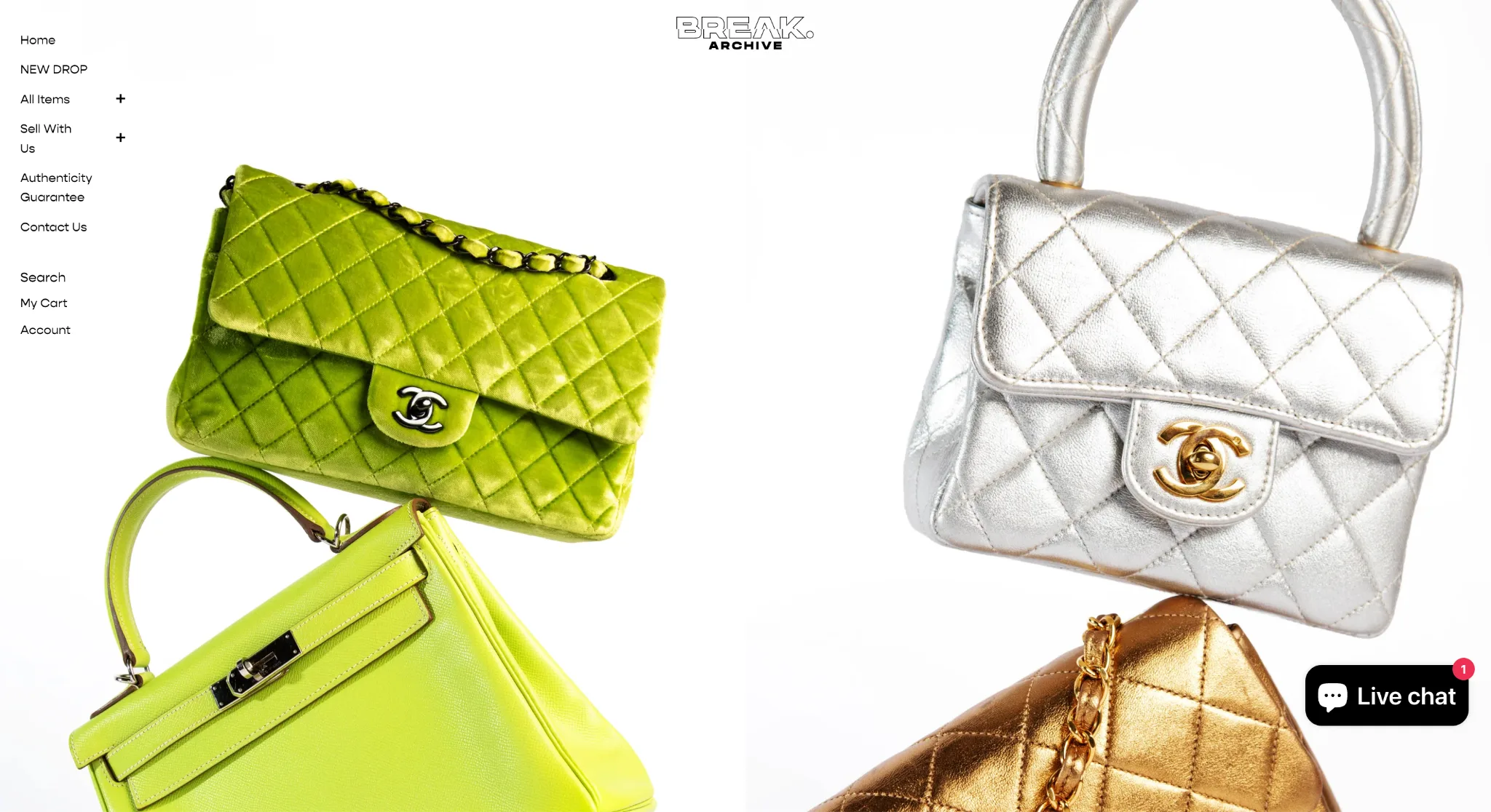
3. Break. Archive – Best for Authenticated Vintage Luxury Drops
What Services Does Break. Archive Provide?
Break. Archive is a London-based vintage luxury platform specializing in authenticated handbags and accessories from Louis Vuitton, Gucci, Fendi, and Chanel. They run a bi-weekly drop model, releasing 150 to 200 products per drop, and they carry out authentication entirely in-house. The numbers back up the model: over £1 million in annual revenue, with individual drops generating as much as £44,000. Founder Gabriel Rylka built this to £1M in revenue before age 19 (not a small achievement in any industry, let alone luxury resale).
What Sets Break. Archive Apart for Websites For Finding Designer Bags?
The bi-weekly drop structure tackles limited availability of rare styles by creating a reliable, anticipated release schedule that keeps serious collectors coming back rather than chasing random listings. Their playful, high-energy presence across Instagram (270K followers) and TikTok (208.8K followers) makes the authentication process feel accessible. And selling 60% of stock within 24 hours of a drop shows the demand is genuinely there.
Real User Sentiment:
The social numbers tell a clear story: 270K on Instagram and over 200K on TikTok means their audience trusts the drops enough to buy fast. Honestly, a 60% sell-through rate within a single day is hard to argue with as proof of buyer confidence. The in-house authentication model appeals to a crowd that’s grown skeptical of platforms with outsourced or inconsistent verification.
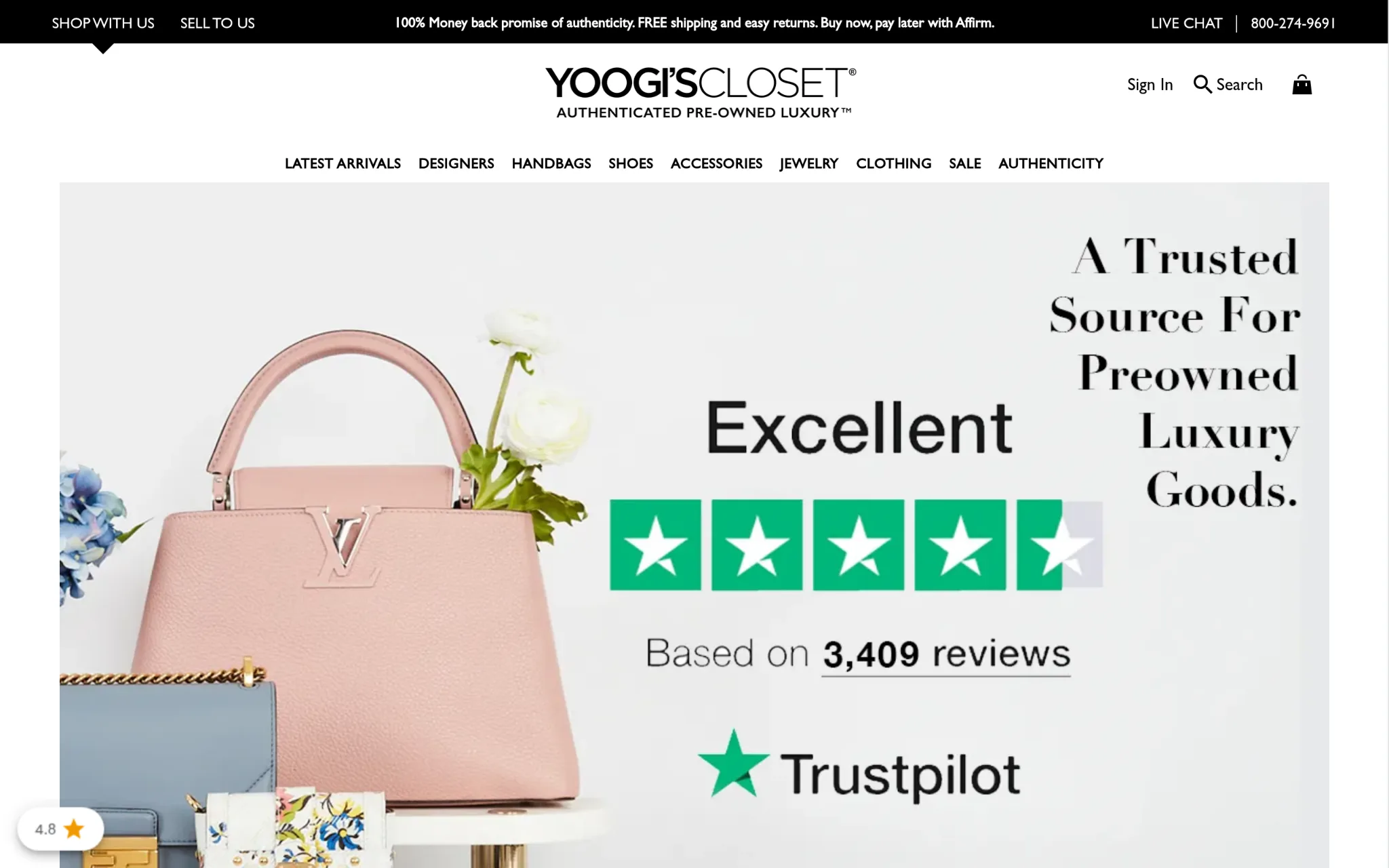
4. Yoogi’s Closet – Best for Pre-Owned Luxury Bags at Major Savings
What Services Does Yoogi’s Closet Provide?
Yoogi’s Closet has been operating since 2008, making it one of the more seasoned platforms on this list (over 15 years of luxury resale experience). Based in Seattle, Washington, and founded by Simon and Eugenia Han, they specialize in authenticated pre-owned handbags, shoes, and jewelry from Louis Vuitton, Chanel, Gucci, Hermès, and Prada. Their pricing sits up to 80% off retail, their return policy runs a full 30 days, and their team of trained professionals brings decades of hands-on luxury goods knowledge to the authentication process.
What Sets Yoogi’s Closet Apart for Websites For Finding Designer Bags?
Price inflation on in-demand styles is one of the biggest traps in luxury resale. Yoogi’s Closet counters that directly with savings that can reach 80% below retail, alongside a return policy that removes the fear from high-value purchases. Their Nordstrom-inspired customer service model reflects a clear understanding that buying pre-owned luxury requires a different kind of reassurance than buying new.
Real User Sentiment:
Consistent recognition as a fastest-growing private company for three consecutive years points to strong repeat buyer behavior, which is the real trust signal in resale. Shoppers come back because the authenticity guarantee and return policy reduce the stress that makes pre-owned luxury shopping feel risky. At $8 million in annual revenue with no outside funding, the results speak for themselves.
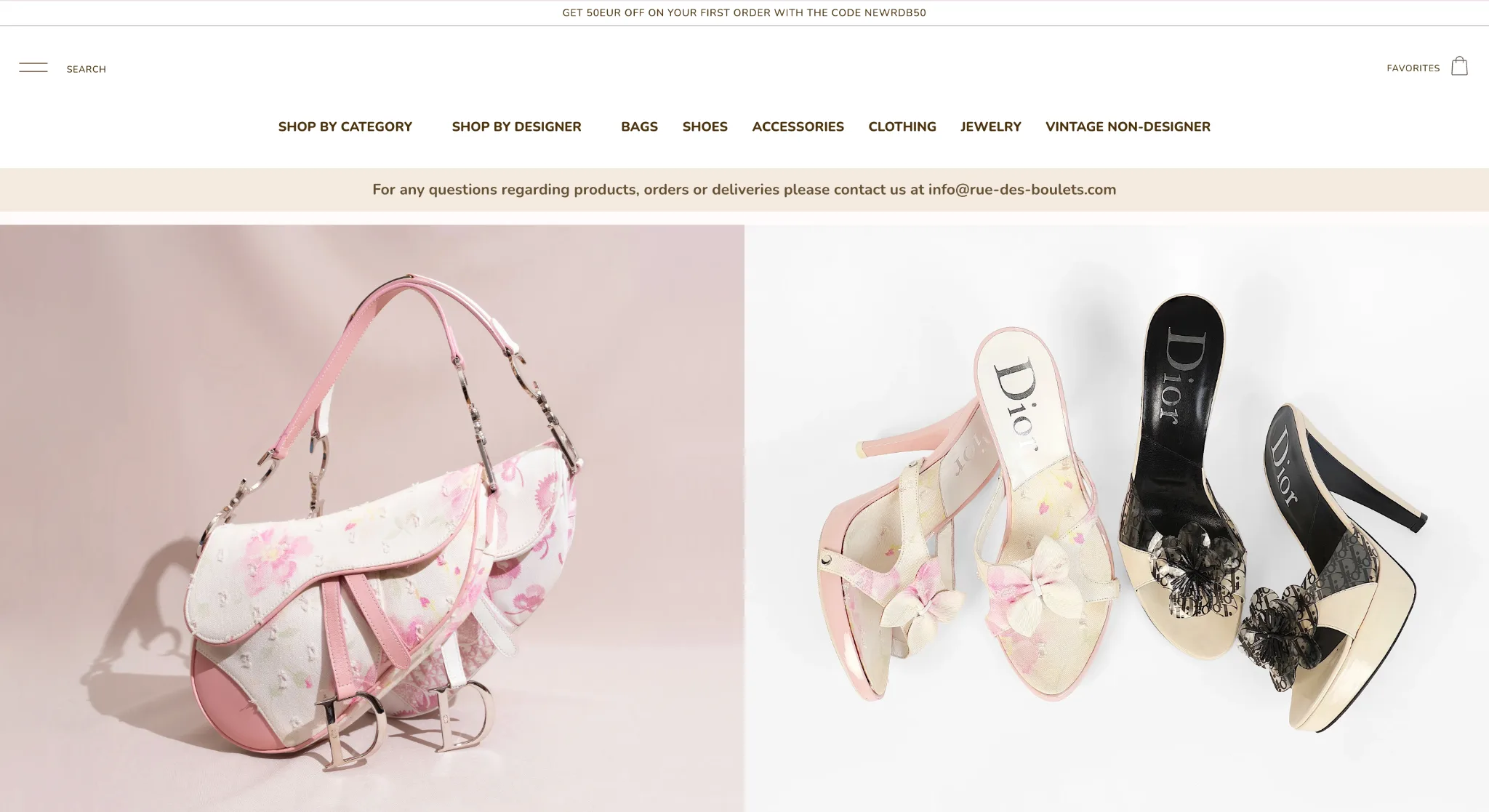
5. RDB VINTAGE – Best for Paris-Sourced Vintage Designer Fashion
What Services Does RDB VINTAGE Provide?
RDB VINTAGE is a Paris-based online retailer of authentic vintage and second-hand luxury fashion, named after the Rue des Boulets metro stop. They source items locally in Paris, covering brands like Chanel, Christian Dior, Fendi, Louis Vuitton, Prada, and Yves Saint Laurent. Their price range runs from roughly €689 to €11,989, covering both accessible vintage entry points and serious collector-tier pieces. Founded in 2019, they ship worldwide and guarantee authenticity across all listings.
What Sets RDB VINTAGE Apart for Websites For Finding Designer Bags?
Sourcing locally in Paris gives RDB VINTAGE direct access to European vintage supply chains that many international platforms simply can’t tap. That translates into more distinctive, harder-to-find pieces for buyers hunting styles that don’t appear elsewhere. The clear authenticity guarantee across a price range that stretches well into five figures shows they’re serious about protecting buyers at every level of investment.
Real User Sentiment:
With 27,000 Instagram followers and a focused curation philosophy, RDB VINTAGE has built a niche audience that values Paris-sourced provenance. The brand’s identity feels genuinely grounded in a physical location and sourcing story, which tends to appeal to collectors who care about where a piece comes from, not just whether it’s real.
How These Were Chosen and Verified
Putting together a trustworthy list of platforms for discontinued or hard-to-find designer bags required more than browsing homepages. A structured research process was applied across all five companies, covering everything from sourcing evidence to real-world reputation signals.
Data Collection as Foundation
The process started by pulling information from multiple channels: luxury resale directories, fashion-focused review platforms, brand case studies, and official company websites. The goal was to build a longlist broad enough to surface both well-known platforms and smaller boutique operations that don’t always appear in mainstream fashion coverage. Social media presence, press mentions, and platform-specific metrics were gathered at this stage to establish which companies had visible, documented activity in the luxury resale space.
The Shortlisting Pass
From the initial pool, platforms without verifiable authentication policies or with unclear sourcing practices were removed. Review patterns were analyzed to check for consistency in buyer satisfaction around condition accuracy, delivery reliability, and dispute resolution. Platforms where negative feedback clustered around authentication concerns or misrepresented item conditions were filtered out, regardless of follower counts or marketing polish.
Verification Pass
Each shortlisted company’s public-facing claims were cross-referenced against independent review sources and observable business outcomes. Revenue figures, drop performance data, press coverage, and follower growth were checked against available public records to confirm they reflected genuine business activity rather than inflated claims. Where platforms cited specific authentication technology or restoration partners, those partnerships were verified as credible and operational.
Industry Recognition and Authority
Recognition from credible external sources was weighted heavily. This included features in publications like Forbes, Vogue Business, Fortune, CNBC, Cosmopolitan Netherlands, and Linda Meiden. Awards or business achievements, such as fastest-growing private company designations, were factored in as signals of sustained performance rather than one-time success. Founder visibility and media credibility added another layer of confidence for platforms where the founding story was central to the brand’s reputation.
Evidence Specific to Websites For Finding Designer Bags
The final check focused on topic-specific fit: did each platform demonstrate real, ongoing activity in the luxury designer bag resale space? This meant looking for dedicated product category pages, verified buyer reviews specific to handbag purchases, and case studies or documented results tied to designer bag drops and sellout rates. Platforms with thin or generalist inventory were excluded in favor of those with clear specialization in the brands and styles that matter most to serious buyers.
What to Look For When Choosing Websites For Finding Designer Bags
Not every platform that claims to sell authentic designer bags actually delivers on that promise. Knowing what to evaluate before buying protects both your money and your collection.
- Industry/Domain Experience: Look for platforms with years of documented activity in luxury resale, not general fashion resale. The longer a company has been authenticating designer bags, the sharper their eye for counterfeits and condition grading becomes.
- Features and Service Quality: Authentication technology, restoration partnerships, return policies, and consignment programs all signal a platform that takes the buying experience seriously. Platforms offering third-party or tech-backed authentication (like Entrupy) add an extra layer of confidence.
- Pricing Structure: Compare asking prices against known market values for specific styles. Platforms with pricing well above market average on common styles, or suspiciously below market on rare ones, deserve extra scrutiny.
- Results Measurement: Sellout rates, buyer satisfaction scores, and dispute resolution track records tell you more about a platform’s reliability than their homepage copy. Look for platforms that share real performance data publicly.
- Industry Knowledge and Compliance: Platforms operating in luxury resale must follow luxury goods authentication standards and counterfeit laws. Check that a platform clearly states how it handles replica and counterfeit item prohibitions, and what recourse buyers have if an item doesn’t pass post-purchase verification.
Final Take
The luxury resale market rewards buyers who do their homework. Platforms like FashioNica, Break. Archive, and Yoogi’s Closet each solve different parts of the same problem: finding authentic, fairly priced designer bags that retail no longer stocks. Authentication quality, pricing transparency, and return policies remain the factors worth comparing closely. As the resale market for luxury bags keeps growing, the platforms that invest in real verification technology and community trust will keep pulling ahead.