The Venice Simplon-Orient-Express is more than transport between European cities. It invites travellers to slow down, dress beautifully, talk to strangers and treat travel as an event. Restored carriages, attentive service and changing landscapes feel historic without becoming a museum. The secret is to participate, not merely observe.
Lifestyle Aboard the Venice Simplon-Orient-Express
Life on board follows an elegant rhythm. Breakfast may arrive in your cabin before meals in decorated restaurant cars. Later, travellers gather for cocktails, conversation and live piano music. Recent coverage highlights the train’s 1920s and 1930s carriages, Art Deco details and refined dining, but guests also shape the atmosphere.
Embrace the occasion. Wear smart day clothes and follow the formal evening dress guidance. Visit the bar car, ask your steward about the carriage, and meet fellow passengers. Photograph the marquetry, glasswork, table settings and views, then put the phone away to enjoy them.
Historic Routes and Cultural Heritage
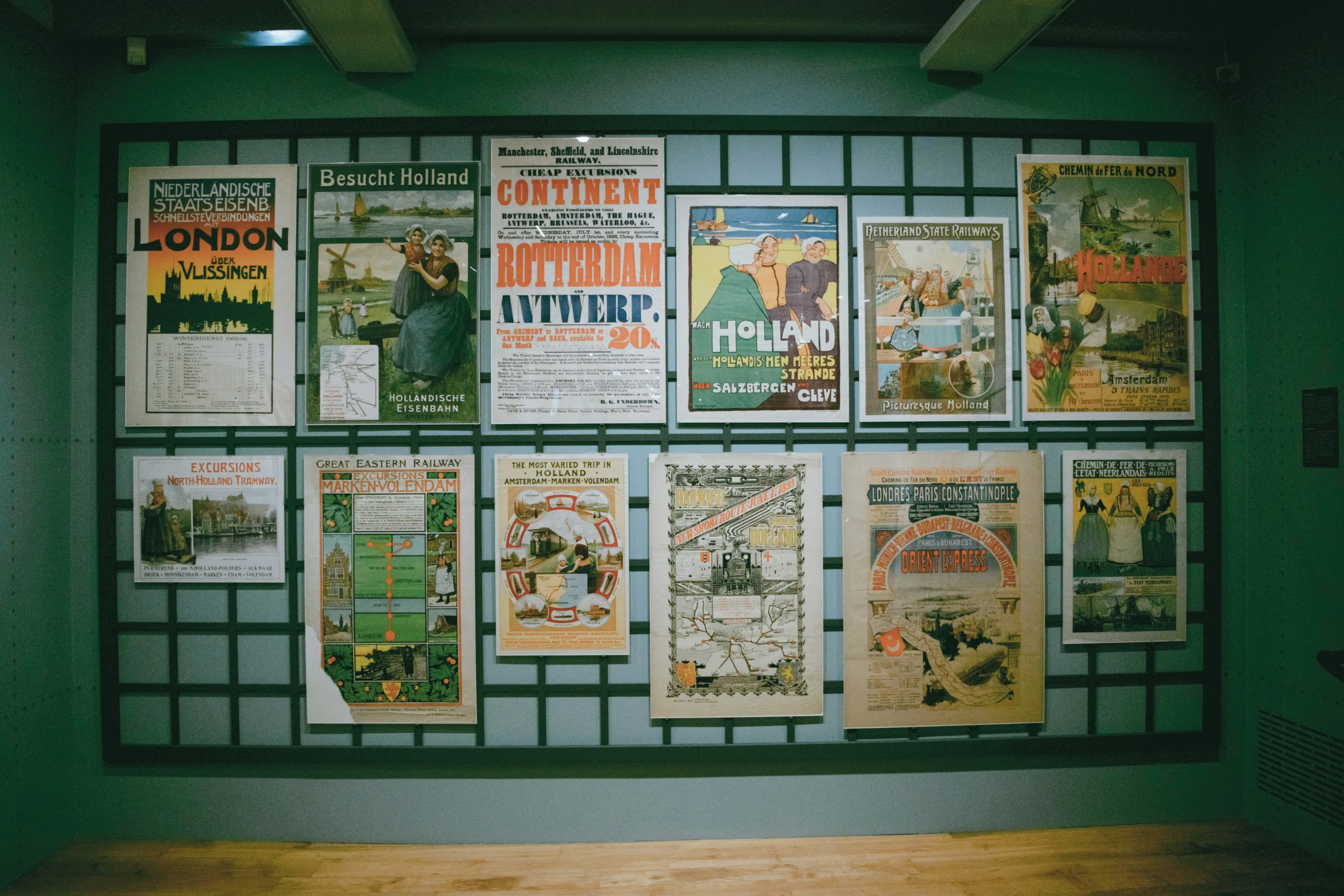
The train’s identity has several layers. Georges Nagelmackers launched the original Orient Express in 1883, connecting Western Europe with Constantinople. The Simplon service later followed a southerly route through Venice. In 1982, James Sherwood relaunched today’s Venice Simplon-Orient-Express using restored carriages.
Itineraries vary, so research your route. Paris rewards time at Gare de l’Est; Venice offers Santa Lucia station, the Grand Canal and mercantile history. Longer journeys may connect with Vienna, Budapest, Bucharest and Istanbul. Museums, historic stations and walking tours turn glamorous names on a timetable into real places.
Travel Experiences That Bring the Journey to Life
The Venice Simplon-Orient-Express journey can be the perfect starting point for a European adventure. Add nights before or afterwards to explore neighbourhoods beyond major landmarks, attend a festival and eat somewhere shaped by local life.
Meaningful encounters needn’t be forced. Ask staff about their work, exchange recommendations with travellers and embrace shared dining and the bar car. If the itinerary includes an excursion, read about its cultural context beforehand; understanding what you see connects the luxury to place.
Practical Tips for Immersive Travel on the Historic Train
Book early, particularly for landmark routes, couples’ celebrations or groups wanting nearby cabins. Confirm luggage limits, dining arrangements, dress expectations, passports, visas and travel insurance. Pack formalwear carefully, plus comfortable day clothes and layers for changing climates. Keep medication, documents and valuables in your hand luggage.
For couples, agree how much time to spend socialising; for groups, allow everyone independent moments so the shared journey never feels over-scheduled. Offline maps, translation tools, official museum apps and local event calendars help during stopovers. Also download essentials before departure, as connectivity may vary wildly depending on location. Respect shared corridors, dining times, and staff instructions too, and check accessibility requirements in advance.
Above all else, always leave a little space in the schedule. Luxury rail travel is at its most immersive when every hour isn’t micromanaged. Just take some time to watch Europe pass by the window, listen to the gentle sounds of the train, and allow the journey itself to set the pace.