Most advice about getting outside stops at “spend more time in nature” and leaves you to work out the rest. That’s not much help when you’re staring at a patch of lawn wondering what to do with it.
1. A Cold Water Plunge Pool
Cold water plunges have gone from niche to mainstream in a few short years. The science is still catching up, though, and it’s more mixed than the hype suggests. A 2025 systematic review of 11 trials, covering more than 3,000 people, found a meaningful drop in stress around 12 hours after a plunge, plus better sleep quality. It also found a short-term rise in inflammation straight after, not a fall, and no clear effect on mood.
So treat it as a stress and sleep tool rather than a cure-all. You don’t need anything elaborate either. A decent insulated plunge tub with a chiller starts at around £400 and runs into the low thousands for the fancier setups. Site it on a hard, level base near an outdoor tap, and budget for the running cost of keeping water chilled through summer.
Start with short dips of a minute or two and build up slowly. If you’ve got a heart condition, check with your GP first, because the cold shock response is real and worth respecting.
2. Aromatic Herbs Like Lavender and Rosemary
Growing herbs isn’t only useful in the kitchen. A handful of small clinical studies have found that inhaling lavender can lower markers of stress and improve sleep quality, which is a tidy win for very little effort. The effects are modest rather than dramatic, but they show up fairly consistently.
Lavender, rosemary and mint all cope well with the British climate and need little fuss once they’re established. You can plant a respectable herb patch for £30 to £50, or pot them up by a bench or back door where you’ll brush past and release the scent.
The trick is putting them somewhere you actually pass through. A pot by the path does more than a tucked-away bed you only see when you’re weeding.
3. A Shaded Rest Area You’ll Use All Year
This is where most “get outside more” plans fall apart. People set up a sunny corner, then abandon it the first time it rains or the sun gets too harsh. A proper shaded, sheltered spot is what turns a garden into a place you use nine months a year instead of three.
A quality gazebo or sheltered structure gives you somewhere to sit, read, do a bit of yoga or eat outdoors even when the weather’s grey. Popular British suppliers like Gala Tent make sturdy structures built for the UK climate, which matters when the wind picks up and the drizzle sets in. The point is having cover that holds up, not a flimsy parasol that flips inside out by April.
Costs vary with size and build quality, from a couple of hundred pounds for a basic pop-up to four figures for a fixed timber structure. Think about where the sun sits in the afternoon and put your seating where you’ll genuinely want to be.
4. A Simple Outdoor Exercise Spot
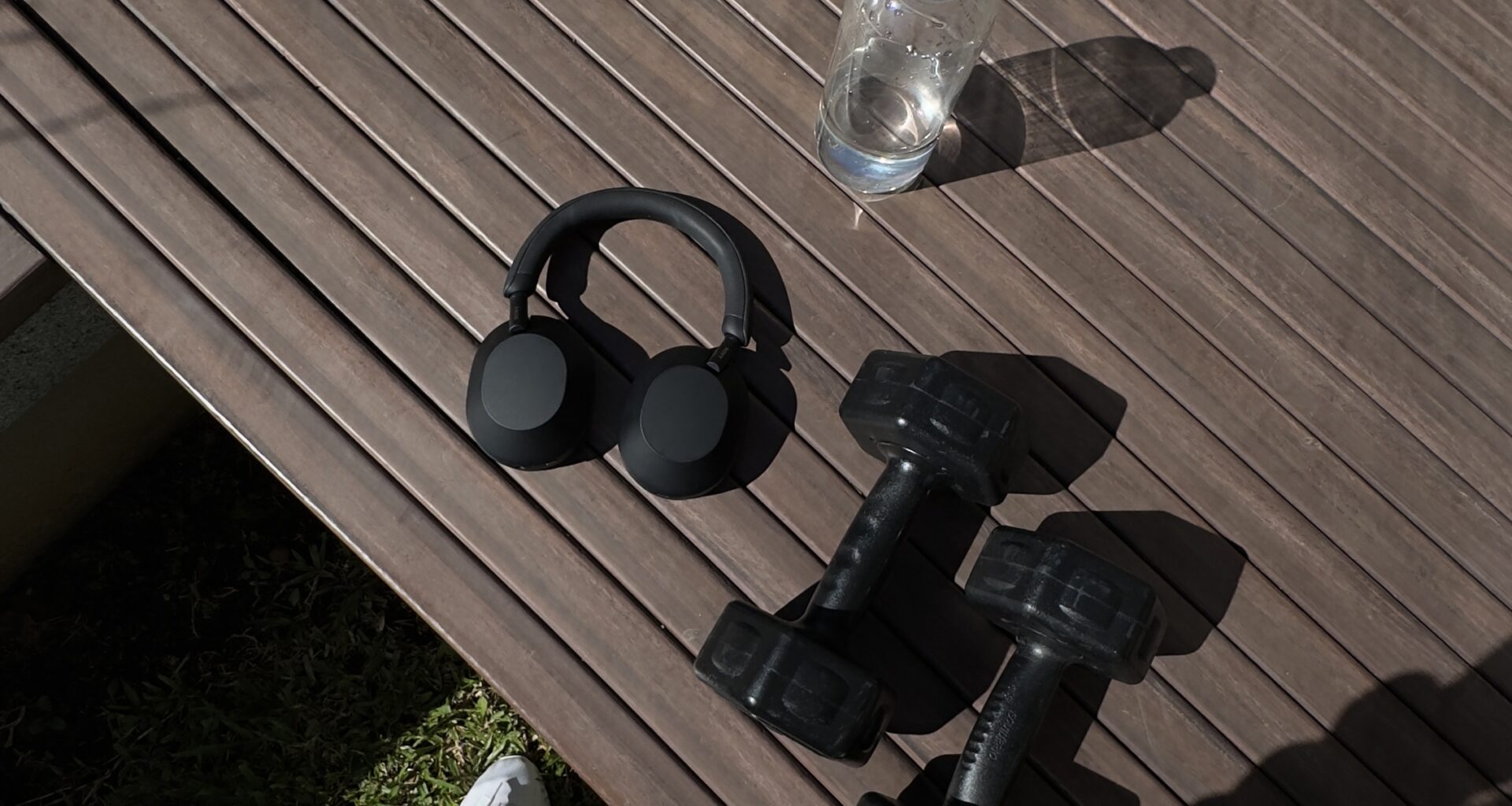
A lot of exercise never happens because of the faff of getting to a gym. Removing that friction makes a real difference, and you don’t need much to do it. Here’s a basic kit that covers most needs:
- A wall-mounted or freestanding pull-up bar
- A rubber gym mat (or yoga mat) for floor work
- A kettlebell or two
- A bit of weatherproof storage
- Some rubber bands for light resistance work
You can put all of this together for £100 to £250. Tuck it somewhere semi-sheltered so the kit lasts and you’ll use it more.
5. Better Outdoor Lighting
Good lighting quietly extends how long your garden stays usable in the evening, which matters in a country where it’s dark by half four in winter. Warm, low-level lighting is also gentler on your body in the run-up to sleep than the harsh glare that keeps you wired.
Solar string lights and low-voltage LED spots are cheap and easy to fit, often under £80 for a decent setup. Keep it warm-toned and gentle, and aim it at the spaces you actually sit in instead of blasting the whole garden.