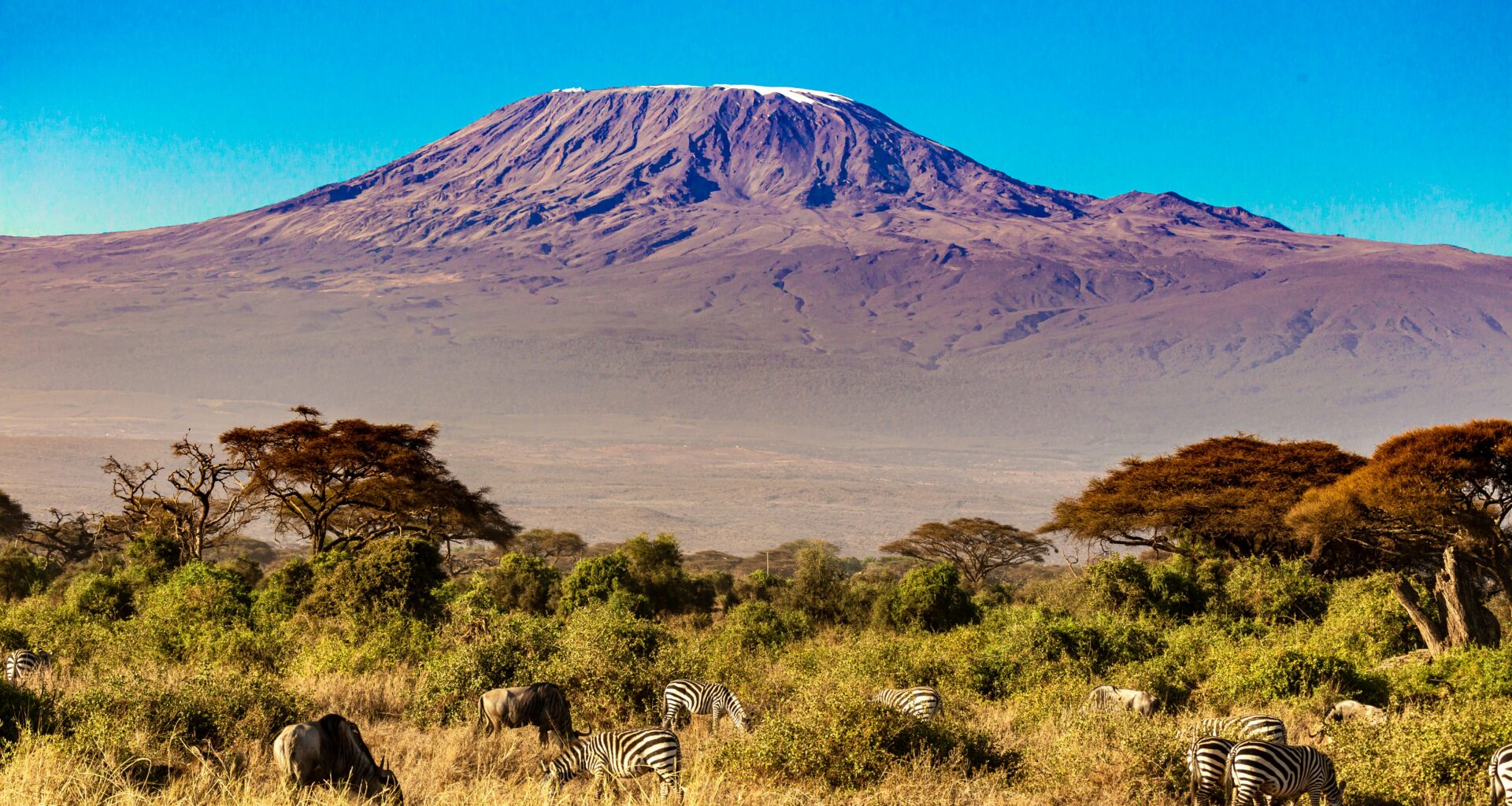
Reaching the summit of Mount Kilimanjaro is less about heroics and more about stacking the odds in your favour. The mountain isn’t technical in the climbing sense—no ropes, no rock pitches for most routes—but altitude is a different kind of challenge. Uhuru Peak sits at 5,895m, high enough that even fit, experienced hikers can be humbled by acute mountain sickness if the plan (and pacing) is wrong.
The good news? Summit success is surprisingly “trainable.” With smart preparation and a few field-tested habits on the mountain, you can dramatically improve your chances of standing on the roof of Africa—feeling strong enough to enjoy it.
Understand what actually stops people: altitude, not fitness
Most unsuccessful summit attempts aren’t caused by sore legs. They’re caused by poor acclimatisation. Above roughly 3,000m, oxygen pressure drops enough that your body has to adapt: breathing rate increases, sleep quality changes, appetite can dip, and headaches become common.
Know the red flags early
Altitude illness exists on a spectrum—from mild symptoms to dangerous conditions like HAPE/HACE. Treat symptoms as data, not drama. A mild headache that improves with hydration, rest, and food is one thing; worsening headache, vomiting, confusion, or loss of coordination is another. The best climbers I’ve met are the ones who speak up early and take the conservative option when needed.
Choose an itinerary that prioritises acclimatisation
If there’s one lever that moves summit probability more than any other, it’s time. More days usually means better acclimatisation, more recovery, and fewer “all-or-nothing” pushes. Short itineraries can work for a minority, but they’re inherently higher risk for average trekkers.
Route length matters more than route name
People get overly focused on which route is “best.” In practice, a well-paced schedule beats a famous route rushed in too few days. Look for itineraries that build height gradually and include acclimatisation opportunities.
A simple way to evaluate your plan is to review typical route profiles and day-by-day altitude gains before you book. If you’re comparing options for trekking Africa’s highest mountain, pay close attention to the number of nights spent above 3,000m and whether the itinerary includes an acclimatisation hike (often described as “climb high, sleep low”). Those details are where success rates are quietly made.
“Pole pole” is a strategy, not a slogan
You’ll hear “pole pole” (“slowly, slowly”) constantly on Kilimanjaro. It’s not just cultural colour—it’s physiology. Moving slower reduces exertion, keeps your breathing steadier, and can lessen altitude symptoms. Many strong hikers summit because they accept the slow pace early rather than trying to “win” the first two days.
Train for endurance and resilience (not speed)
You don’t need to be an ultrarunner, but you do need durable legs, lungs that can work for hours, and a body that tolerates long days with a pack.
Build a specific base in 8–12 weeks
If you have a couple of months, focus on:
- Long, easy hikes (time on feet beats intensity)
- Stair or hill sessions (sustained uphill effort)
- Strength work for quads, glutes, calves, and core (injury prevention)
- Back-to-back training days (to mimic multi-day fatigue)
If you only have a few weeks, don’t panic—prioritise walking volume and hill work, and arrive healthy rather than overtrained.
Practice with your gear
Blisters and hot spots can end summit bids just as effectively as altitude. Train in the boots and socks you’ll wear on the mountain and learn what “too tight” feels like on descents.
Dial in the basics on the mountain: hydration, food, and sleep
At altitude, small mistakes compound. You’re not trying to “biohack” Kilimanjaro; you’re trying to keep your system steady day after day.
Hydrate earlier than you think you need to
Dehydration can mimic or worsen altitude symptoms. A common pattern is drinking too little because it’s cold or because you’re trying to avoid bathroom breaks. Don’t. Aim for consistent intake throughout the day and keep an eye on urine colour as a rough indicator.
Eat even when appetite drops
Loss of appetite is normal higher up, but your body still needs fuel—especially before summit night. Carbs are your friend at altitude because they’re efficient energy. If you’re struggling, graze: small bites often, rather than forcing big meals.
Protect your sleep
Broken sleep is common above 4,000m. What helps:
- A warm sleeping system (cold stress destroys sleep quality)
- A consistent routine (tea, journal, earplugs—whatever signals “wind down”)
- Avoiding hard efforts late in the day if you can
Consider altitude medication thoughtfully
Acetazolamide (often known as Diamox) can help some people acclimatise by encouraging deeper breathing and speeding certain adaptation processes. It’s not a free pass, and it’s not appropriate for everyone.
Make it a medical decision, not a forum decision
Talk to a clinician before your trip—especially if you have kidney issues, sulfa allergies, or other relevant conditions. If you do use it, follow professional guidance on dosage and timing, and still stick to conservative pacing and itinerary choices.
Master summit night: pacing, layers, and mindset
Summit night is where preparation cashes out. It’s cold, it’s long, and it’s usually done in the dark. The goal is steady forward motion, not bursts of effort.
Layering is performance, not comfort
If you start too cold, you burn energy trying to warm up. If you overdress and sweat, you get chilled later. Use a system you can adjust without drama: warm base layer, insulating mid-layer, shell for wind, and an accessible puffy for stops.
Break the climb into checkpoints
The summit push can feel endless if you think in hours. Think in steps: to the next bend, the next rest stop, the next sip of water. This is where mindset becomes a practical skill. You’re not ignoring discomfort; you’re managing it.
A practical pre-departure checklist (the stuff that prevents avoidable failures)
Here’s a quick set of priorities to lock in before you fly:
- Choose an itinerary with sufficient days for acclimatisation
- Train for long, steady effort and back-to-back days
- Break in boots and test your sock system to prevent blisters
- Bring layers designed for wind and cold on summit night
- Plan how you’ll hydrate and snack even when you don’t feel like it
- Discuss altitude meds and personal health risks with a clinician
The bottom line: make “success” the result of choices
Kilimanjaro rewards patience and good judgement. Give yourself time to acclimatise, take your pacing seriously, treat sleep and hydration as non-negotiables, and don’t let ego steer medical decisions. Do that, and you’re no longer “hoping” to summit—you’re building a realistic, repeatable path to it.