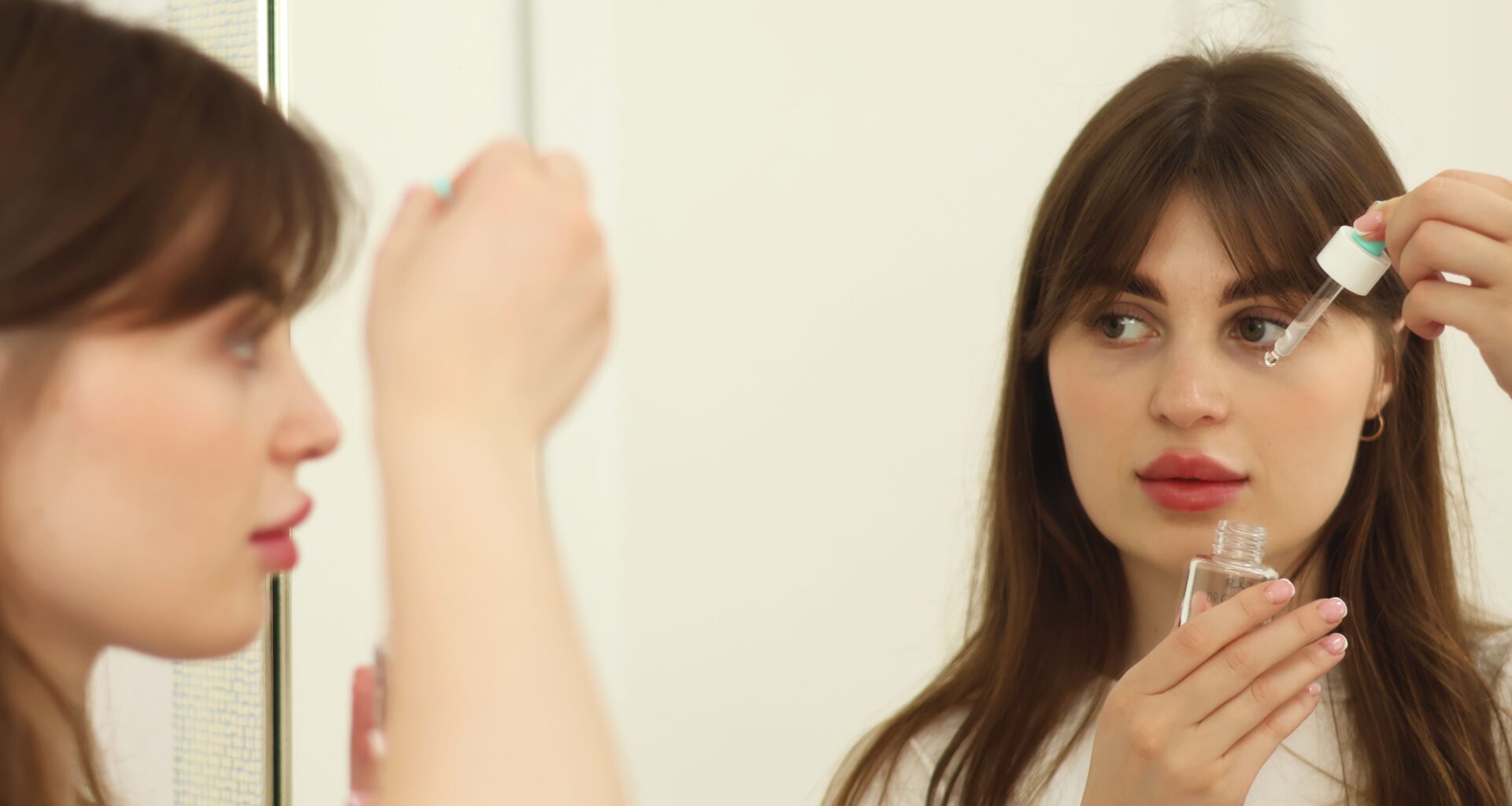
Walk down any beauty aisle. Rows of creams stare back. Each bottle promises younger skin. Each jar claims to erase wrinkles. But here is the catch. One cream fits all faces. That makes no sense. Skin is not uniform. Some people have dry patches. Others struggle with oil. Some fight acne. Others fight redness.
A single product cannot solve all these problems. The industry knows this. The technology is finally catching up. Personalized skincare is no longer a dream. It is becoming real. And it is changing everything.

The Problem With One-Size-Fits-All
Mass-market products use generic formulas. They work okay for average skin. They fail for everyone else. A person with sensitive skin gets irritation. A person with oily skin breaks out. These reactions are not the user’s fault. The product simply does not match their biology.
This trial-and-error approach wastes money. It wastes time. It frustrates customers. People spend years searching for the right product. Many never find it. The industry needs a better approach. That better approach starts with understanding each person’s unique skin.
A Swab Changes Everything
The new approach begins with a simple test. A customer swabs their cheek. They mail the sample to a lab. The lab analyzes their DNA. They look at genes related to collagen production. They check genes for inflammation. They examine genes for antioxidant defense.
This genetic profile tells a story. It reveals how the skin ages naturally. It shows weaknesses and strengths. This information is powerful. A cream cannot change genes. But a cream can support what those genes need.
The Microbiome Factor
Genes are only half the picture. The skin hosts billions of bacteria. This community is the microbiome. It varies from person to person. Some microbiomes are protective. Others are inflammatory. A personalized routine considers this factor.
A lab analyzes the bacterial composition. They identify imbalances. They recommend products that support healthy bacteria. This is a huge shift. Old products killed all bacteria. New products nurture the good ones. Happy bacteria mean happy skin.
Testing Without Guessing
How does a company figure out the right formula? They run tests on actual skin cells. A lab grows human skin equivalents in dishes. These are real cells arranged in layers. They behave like real skin. A researcher applies different ingredients. They measure cell response. They check for irritation and hydration. This testing happens at scale.
A liquid handling system plays a key role here. It dispenses tiny amounts of each ingredient onto the skin samples. It runs the same measurements at precise time intervals. This automation delivers consistent, trustworthy data. No guesswork. Just solid science.
The Custom Formulation Process
Once the analysis finishes, the magic begins. The lab creates a custom serum. They select ingredients that match the person’s profile. A person with weak collagen gets peptides. A person with poor antioxidant defense gets vitamin C. A person with inflammation gets calming botanicals.
The formula is unique. It addresses exactly what that person needs. No extra fluff. No irritating fillers. Just targeted ingredients. This precision is revolutionary. It turns skincare from a guessing game into a science.
What This Means for Consumers
The benefits are huge. First, no more wasted money. A customer buys products that work for them. No more trial and error. Second, fewer side effects. The formula avoids known irritants. Third, visible results. The targeted ingredients actually do something.
These advantages build trust. A customer who sees results becomes a loyal customer. They tell friends. The word spreads. Personalized skincare creates genuine satisfaction. That satisfaction is rare in the beauty industry.
The Cost Question
Personalized skincare sounds expensive. It does cost more upfront. The testing and analysis add expense. But consider the alternative. A person spends hundreds of dollars on products that do not work. They buy cream after cream. They toss half-empty bottles in the trash.
This waste adds up. A personalized product costs more per bottle. It also works. A customer buys one bottle instead of five. The total cost may actually be lower. The value is certainly higher. Effectiveness beats cheapness every time.
The Road Ahead
The technology keeps improving. New devices measure skin in real time. They track hydration and elasticity. They send data to an app. The app adjusts the formula automatically. This continuous feedback loop is coming. It is not far away. The vision is clear. A future where everyone has a custom skincare routine. A future where products actually deliver on their promises. A future where customers trust their creams.
The path to that future goes through the lab. Through DNA analysis. Through microbiome testing. Through automated liquid handling. The science is ready. The industry is waking up. Personalized skincare is here to stay.