
Table of Contents Show
Most language learners assume that any fluent Korean speaker can teach the language well. That’s where progress stalls. Finding a qualified Native Korean Instructor means looking for someone who combines true fluency with actual teaching skill, and that combination is rarer than most platforms admit.
Matching your learning goals, whether that’s TOPIK prep or casual conversation, to the right instructor style takes real filtering. Time zone logistics add another layer when you’re scheduling with Korea-based teachers. After reviewing dozens of platforms and their Korean instructor rosters, this guide covers the top four options worth your time.
The shortlist methodology
Platform selection was based on publicly available information pulled from user review sites, official platform pages, and real learner feedback shared across community forums and app directories. Only platforms with a documented track record in language education made the cut.
→ See the full research breakdown
- italki – Best for speaking fluency and conversational practice
- Memrise – Best for language learning for individual learners and casual students
- LingQ – Best for self-directed language learners seeking authentic content
- Ba Ba Dum – Best for free language vocabulary learning through games
Why the Right Native Korean Instructor Makes a Difference
Not every Korean speaker teaches well, and not every teaching platform filters for that distinction. The gap between native fluency and trained instruction matters enormously when you’re trying to build real proficiency.
Learners who get matched with the wrong instructor often stall early. The teaching style mismatch, conversational versus academic, is one of the most common reasons students quit before reaching their goals.
The right Native Korean Instructor changes the trajectory entirely. Students working with instructors who understand TOPIK alignment tend to show faster level progression and higher lesson completion rates.
Retention improves, too, when the instructor’s style fits the learner’s pace and goals. That fit translates directly into better CEFR and TOPIK outcomes over time.
Compare the Top 4 Native Korean Instructors
Note: All data in this table is sourced from review platforms and the official websites of the listed companies.
| Company Name | Years Operating | Headquartered In |
| italki | Since 2007 | Hong Kong |
| Memrise | Since 2010 | London, United Kingdom |
| LingQ | Since 2007 | West Vancouver, BC |
| Ba Ba Dum | Since 2014 | Poland |
1. italki – Best for Speaking Fluency and Conversational Practice
Which Options Does italki Provide?
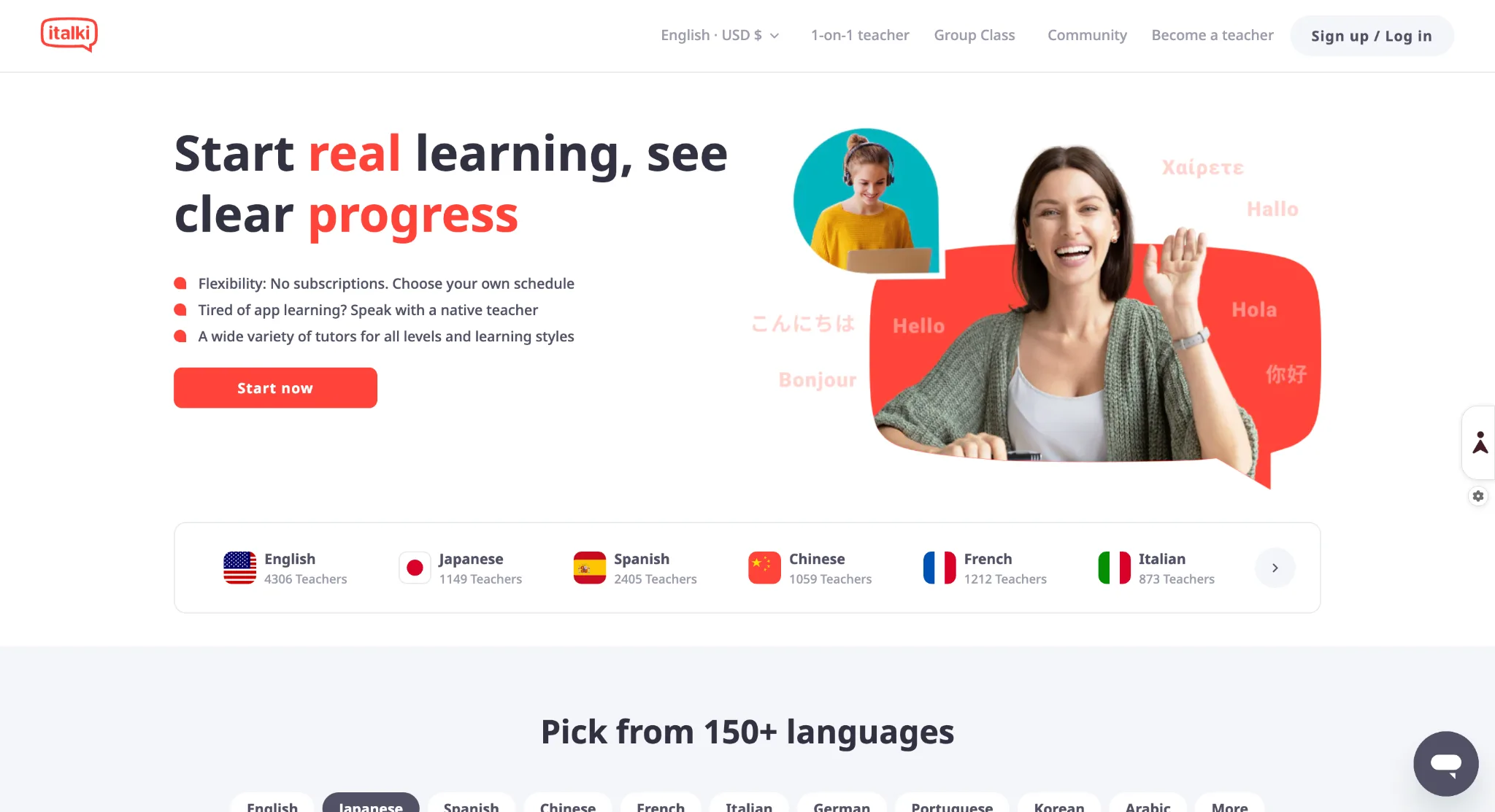
italki connects students with native-speaking Korean instructors through one-on-one live video lessons on a flexible pay-per-lesson basis. The platform covers both certified professional teachers and community tutors, giving learners a real range in price and teaching approach. Beyond lessons, they offer writing correction tools, language partner matching, and community discussion forums. That combination of live instruction and supplementary practice tools makes it one of the more complete environments for Korean language development across all skill levels.
Why Does italki Belong on This List for Native Korean Instructors?
italki directly solves the challenge of finding a native Korean instructor whose teaching style matches individual learner goals, whether that’s casual conversation or structured TOPIK preparation. Honestly, the filtering options alone set it apart from most platforms. Learners can sort by price, availability, teaching focus, and instructor background before booking a single lesson.
User Reviews, Summarised:
Learners consistently credit italki for real improvements in spoken fluency, which makes sense given the platform’s live one-on-one format. The most common pattern across feedback is that interaction with an actual native speaker accelerates progress in ways that apps simply can’t replicate. A few reviewers note that quality can vary between tutors (which is fair, given how many instructors the platform hosts), but the ability to switch instructors freely keeps that from being a dealbreaker.
2. Memrise – Best for Language Learning for Individual Learners and Casual Students
Which Options Does Memrise Provide?
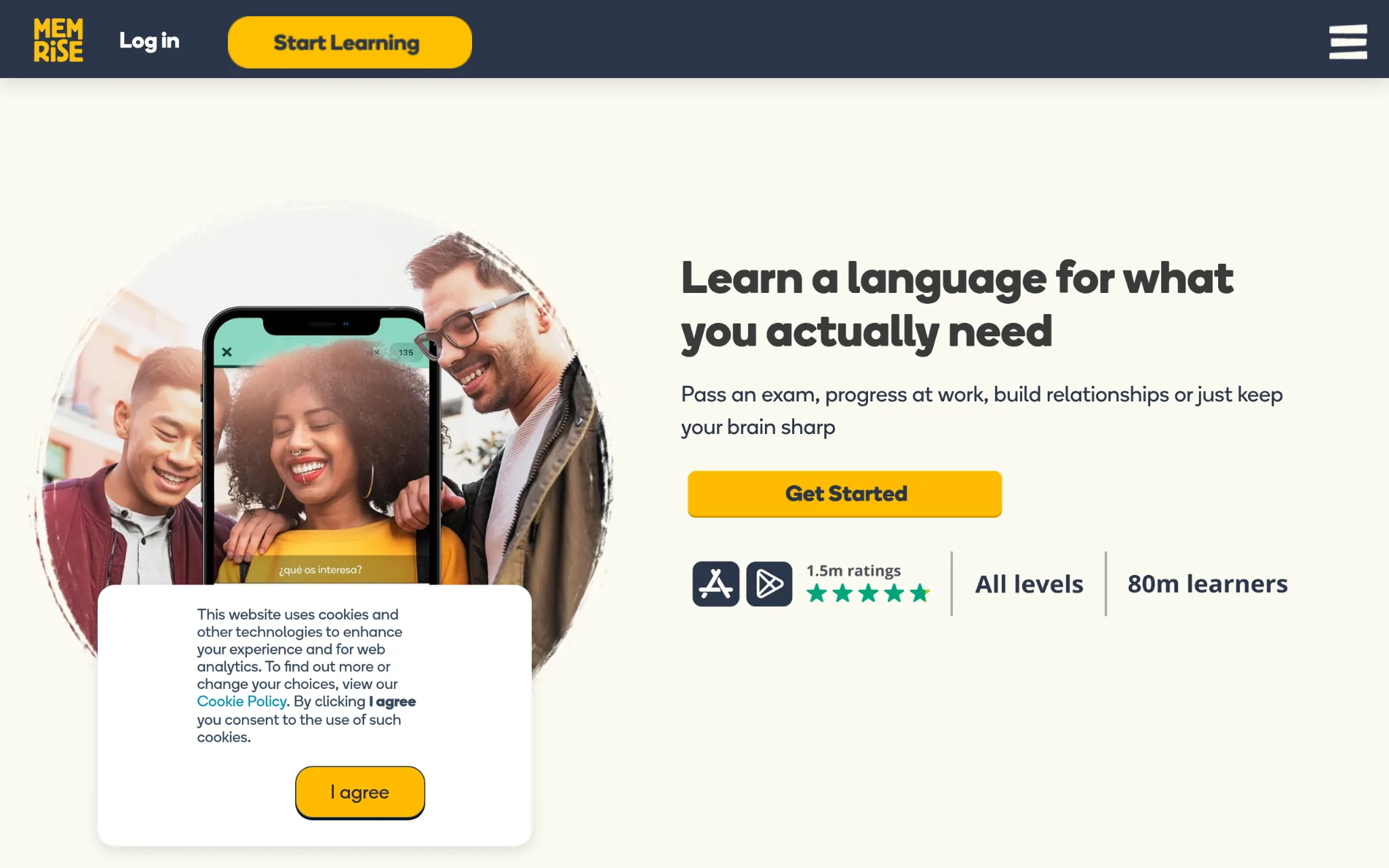
Memrise teaches language through a combination of spaced repetition, real native speaker audio and video clips, and community-sourced learning materials across 24 languages and over 200 language combinations. The platform is available on both web and mobile, and it uses pronunciation feedback to help learners sound more natural. With over 50 million users, it’s built around teaching real-world language usage rather than textbook patterns, which matters especially for Korean learners trying to understand how the language actually sounds in daily life.
Why Does Memrise Belong on This List for Native Korean Instructors?
Memrise addresses a gap that live lesson platforms don’t always fill well: consistent daily exposure to native Korean speech patterns between lessons. The spaced repetition model paired with authentic native speaker clips means learners are hearing and absorbing real pronunciation, not just drilling grammar rules in isolation.
User Reviews, Summarised:
The broader learner response to Memrise has been strong enough to earn it Google Play’s Best App recognition in 2017, which reflects real learner satisfaction at scale. Reviewers tend to point out how the native speaker video content makes Korean feel less intimidating for beginners. Casual learners appreciate the low-pressure format, though more advanced students sometimes want deeper grammar instruction than the platform currently offers.
3. LingQ – Best for Self-Directed Language Learners Seeking Authentic Content
Which Options Does LingQ Provide?
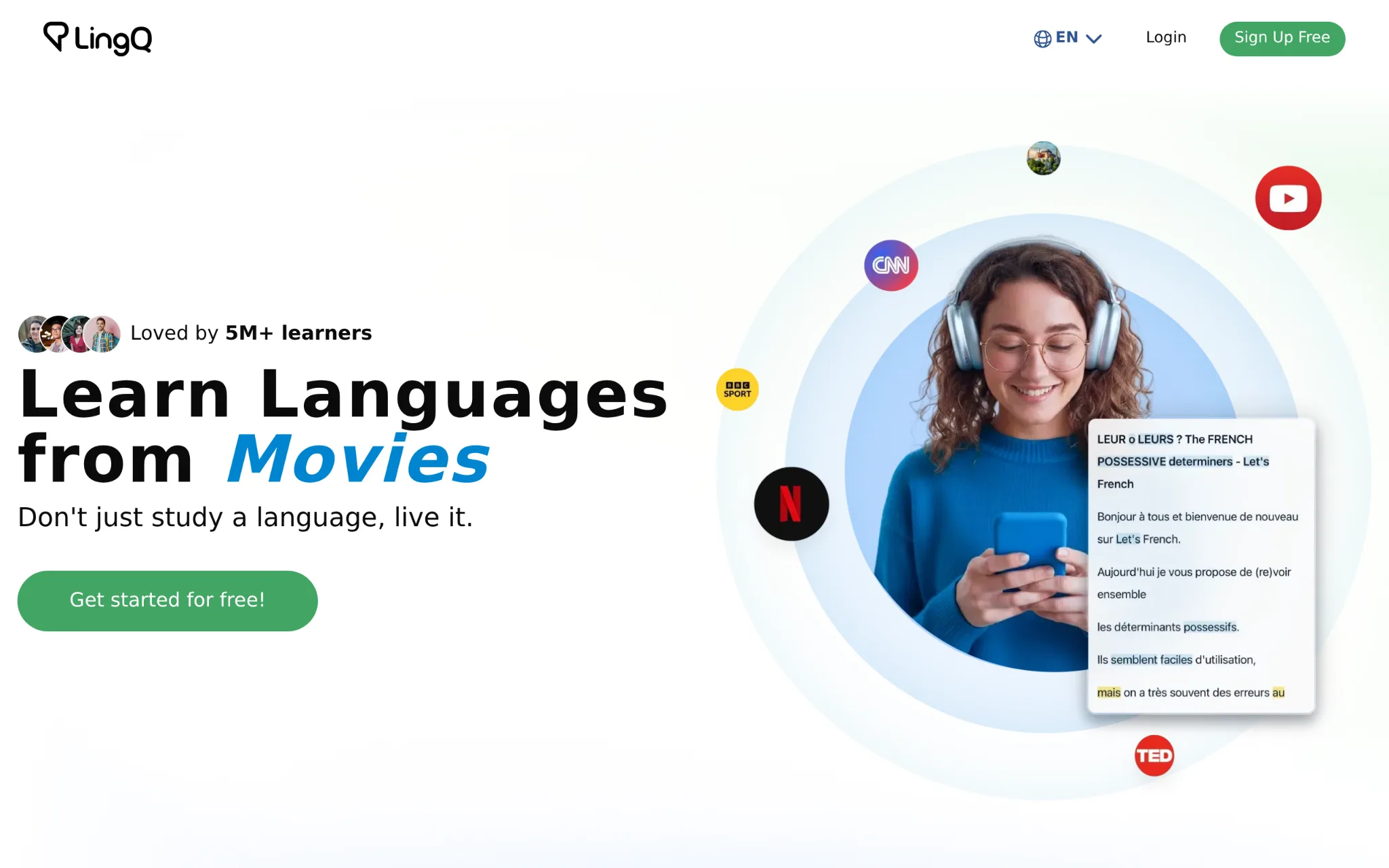
LingQ lets learners study Korean through real-world content like podcasts, books, and TV shows rather than structured courses designed for classrooms. The platform supports over 50 languages and gives learners tools for vocabulary tracking, saved word lists, offline study, and unlimited content imports. It was co-founded by Steve Kaufmann, a polyglot who speaks 20 languages, and that background shapes the entire philosophy of the platform. LingQ treats authentic content as the curriculum itself, which lines up well with how natural language acquisition tends to work.
Why Does LingQ Belong on This List for a Native Korean Instructor?
LingQ tackles a challenge that structured courses often ignore: the need for sustained exposure to native-level Korean content at increasing depth. Independent researchers at Compare Language Apps ranked it the most effective language app, and that kind of third-party validation is hard to match.
User Reviews, Summarised:
Learners who excel with self-directed study tend to be the most enthusiastic LingQ users, pointing to the depth of authentic Korean content available and the flexibility to study at their own pace. The vocabulary tracking system is a genuine favorite, especially for learners building toward TOPIK exams. Some newer learners find the interface takes adjustment (not the most beginner-friendly setup), but once the workflow clicks, retention tends to be strong.
4. Ba Ba Dum – Best for Free Language Vocabulary Learning Through Games
Which Options Does Ba Ba Dum Provide?
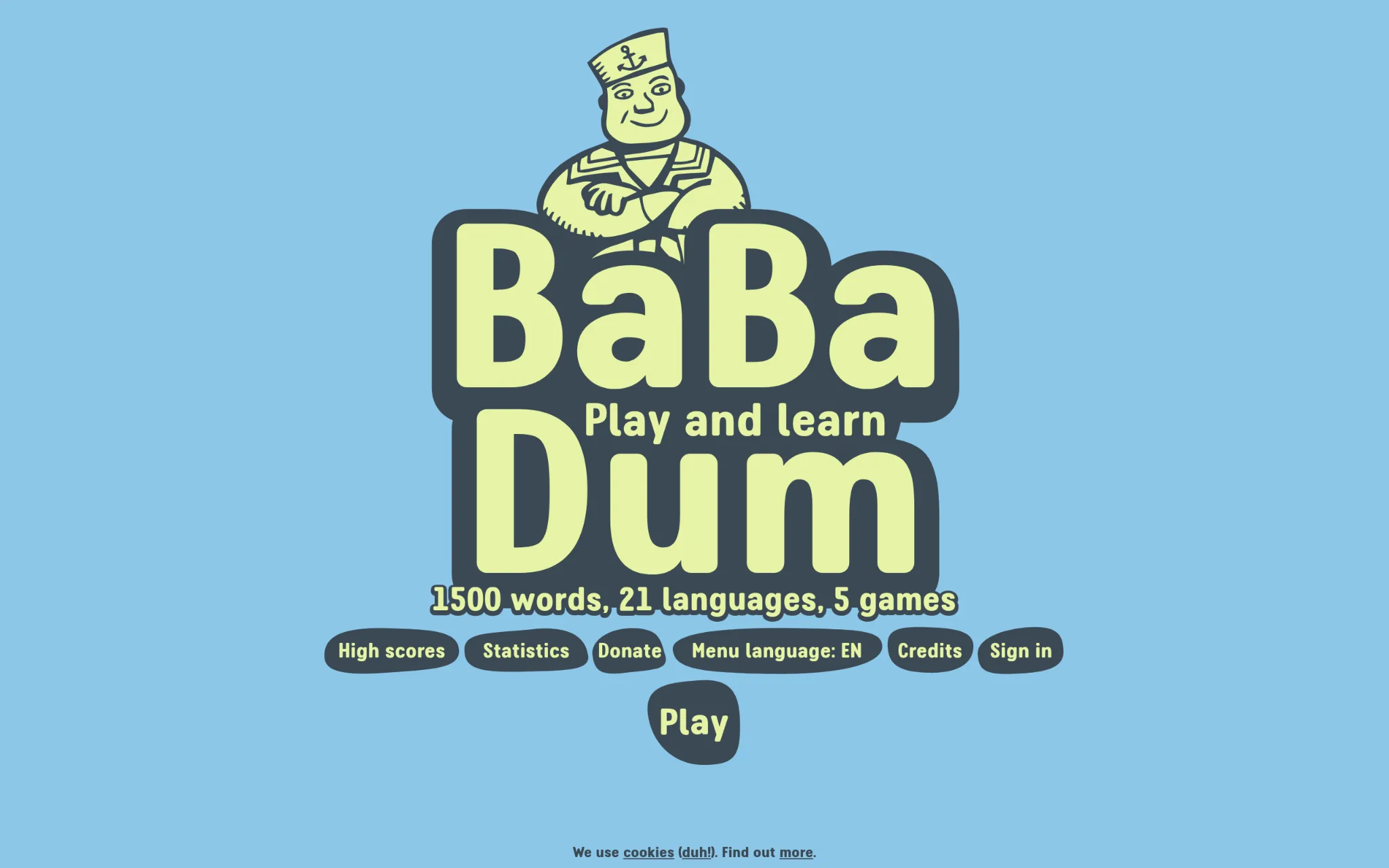
Ba Ba Dum is a completely free, ad-free vocabulary platform that teaches 1,500 words across more than 20 languages through five distinct game formats. The games cover different learning angles: matching images to spoken words, filling in blanks, multiple-choice questions, unscrambling letters, and pairing images with written words. It was created by Polish graphic designers and educational authors Aleksandra and Daniel Mizieliński, and that design background shows throughout the platform. The visual quality alone is unusually high for a free tool, and the combination of audio and image-based learning reflects a real understanding of vocabulary acquisition.
Why Does Ba Ba Dum Belong on This List for Native Korean Instructor?
Ba Ba Dum fills a specific and underserved role: accessible, pressure-free vocabulary building for Korean learners who want to supplement their live instruction without spending extra money. That kind of free, well-designed supplementary resource is genuinely rare. The game mechanics keep learners coming back consistently rather than dropping off after a few sessions.
User Reviews, Summarised:
Recognition from Awwwards, FWA, and a Webby Awards nomination tells you the design quality is genuinely exceptional, and learner feedback echoes that. Users frequently comment on how enjoyable the games feel compared to typical flashcard tools. The platform works best as a warm-up or supplement rather than a standalone Korean course. The ad-free experience gets mentioned often (not cheap to run, but they do it anyway), and learners seem to appreciate that the platform doesn’t interrupt study sessions with promotions.
Vetting Process and Selection Criteria
Setting Up Your Information Framework
The research process began by pulling together a broad pool of platforms relevant to Korean language instruction. Sources included language learning directories, app review platforms, community forums where learners discuss their experiences, and official platform websites. The goal at this stage was breadth: casting a wide enough net to capture both well-known platforms and lesser-cited options that might still offer strong value for Korean learners at different proficiency levels.
Each platform’s claims about native speaker content, instructor quality, and learning approach were noted at this point without filtering. The raw data collected included feature descriptions, language coverage details, founding history, team information, and any available learner outcome data.
Narrowing the Field: Selection Standards Applied
After building the initial list, platforms were assessed against a consistent set of criteria to remove options without a verifiable track record. Platforms were dropped if they lacked meaningful user review activity, had no documented history in language education, or presented features without any supporting evidence from real learners.
Review patterns were analyzed for authenticity and depth, not just volume. Platforms with a handful of glowing reviews but no negative feedback or details were treated with appropriate skepticism. Only platforms with a pattern of consistent, experience-backed learner feedback made it through this stage.
How Claims Stand Up to Scrutiny
Every platform’s self-described strengths were cross-checked against what actual learners reported. Where a platform claimed native speaker content, that claim was verified against learner reports about audio and video quality. Where a platform emphasized instructor quality or teaching credentials, reviewer commentary about real lesson experiences was used as a reference point.
Discrepancies between marketing language and reported learner experience were flagged. Platforms that consistently delivered on their stated promises scored higher than those where the gap between claim and reality was visible across multiple reviews.
Industry Reputation and Recognition
Platforms were also evaluated based on how they appear in the broader language education community. Award recognition from credible design and education bodies, citations in language learning publications, and community reputation signals (such as social following and content creator credibility) all factored in.
LingQ’s co-founder Steve Kaufmann has built strong public credibility with over 760,000 YouTube subscribers, which reflects genuine community trust rather than just marketing reach. Memrise’s Google Play Best App recognition in 2017 signals sustained quality at scale. These signals were treated as supporting evidence alongside the review data.
Native Korean Instructor-Specific Track Record Check
The final filter applied was adapted to Korean language instruction. Platforms were checked for dedicated Korean language pages, verified reviews from Korean learners, and evidence of instructor filtering tools relevant to Korean study goals.
Platforms that served many languages without any Korean-specific depth were ranked lower than those with meaningful Korean instructor rosters or Korean-specific content libraries. Case studies and learner progression stories related to TOPIK preparation or conversational Korean goals were given particular weight in the final selection.
What Matters When Selecting a Native Korean Instructor
Start by thinking about what you actually need from a Korean instructor. The right platform depends on your goals, your schedule, and how you learn best.
- Industry/Domain Experience: Look for platforms where instructors have documented experience teaching Korean specifically, not just general language tutoring backgrounds.
- Features and Service Options: Consider whether the platform offers live one-on-one lessons, self-study tools, vocabulary support, or a combination. Your learning stage affects which features matter most.
- Pricing Structure: Rates vary across platforms. Some use pay-per-lesson models, others use subscriptions, and some (like Ba Ba Dum) are entirely free. Match the pricing model to your budget and commitment level.
- Results Measurement: Platforms that track lesson completion, TOPIK progression, or vocabulary growth give you a clearer picture of whether you’re actually improving.
- Industry Knowledge and Compliance: Check whether instructors follow recognized frameworks like TOPIK alignment or CEFR-based progression. Teaching standards matter for learners with specific certification goals.
What You Should Know
Choosing the right platform for Korean language instruction comes down to matching your goals to what each option genuinely offers. Live interaction platforms like italki deliver the speaking practice that moves fluency forward fastest. Self-study tools like LingQ and Memrise support consistent daily exposure between lessons. Free resources like Ba Ba Dum handle vocabulary building without adding cost. As demand for Korean instruction keeps growing, platforms that pair native speaker access with structured learning will remain the strongest long-term options.